Choosing the best charger for your phone is not just about buying the highest wattage model. It is about compatibility, stability, and real charging performance across different devices. If you want one charger that works well with both iPhone and Android, the goal is simple: reliable fast charging without guessing, marketing fluff, or poor real-world performance.
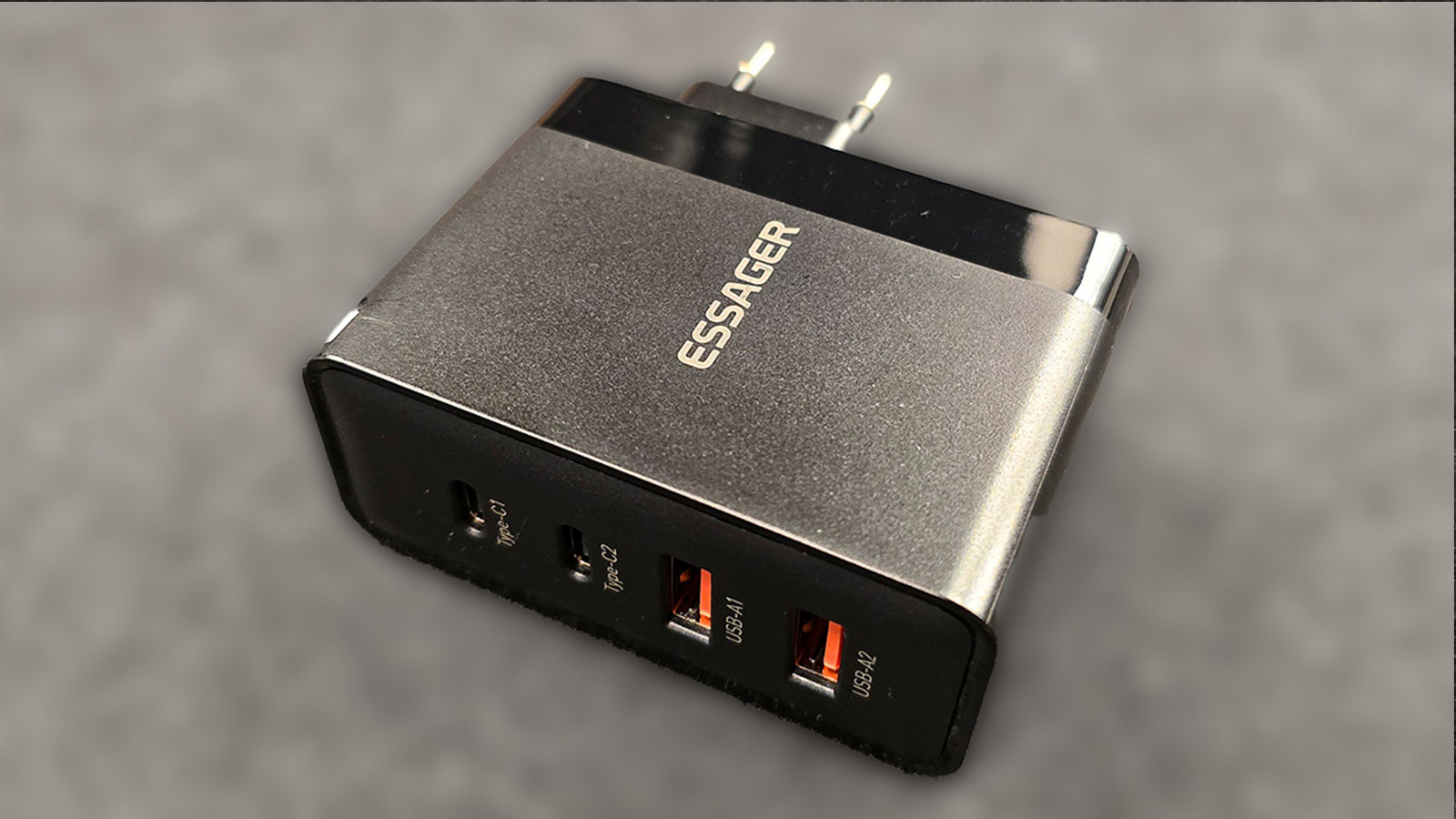
Best charger for iPhone and Android based on real charging performance, compatibility, and everyday use.
If your phone is not charging as expected, the problem is often not the phone itself. In many cases, it comes down to the charger, the cable, or the overall power delivery behavior. You can see the most common reasons in my guide on why phones charge slowly.
Not necessarily. Most modern USB-C chargers adapt automatically and can work well with both iPhone and Android. The bigger question is not whether the charger fits one brand or another, but whether it delivers stable power and proper compatibility in real use.
That is why a good multi-device charger often makes more sense than buying different random chargers for every phone you own.
Another factor many people overlook is the cable. A weak or low-quality cable can limit charging speed even if the charger itself is good. If you are unsure what to use, check my USB-C cable guide.
Two chargers can look similar on paper and still perform differently in everyday use. Some chargers hit a high peak for a short moment, while others maintain steady output for longer. That difference affects how fast your phone actually charges during normal daily use.
This is why real usage matters more than just reading numbers on a listing. A charger that feels stable and consistent is usually more useful than one that only looks good on paper.
In real usage, some chargers simply perform better across multiple devices. Consistency matters more than marketing numbers, especially if you switch between iPhone, Android, foldables, tablets, or other USB-C gear.
If your goal is one charger that can handle more than one phone properly, the safest route is to start with chargers that are already part of real charging tests instead of random unverified options.
The charger I use in my tests works reliably with both Android and iPhone. It delivers the kind of stable real-world performance that makes more sense than many random high-wattage chargers with weaker consistency.
A practical fast charger choice if you want one reliable option for both iPhone and Android, with better compatibility and more confidence in real everyday charging.
See Full Charger GuideA charger alone is not enough if the cable is weak. Even with a good power brick, a low-quality cable can reduce charging speed and make the whole setup feel inconsistent.
If you want to improve your full setup, start with a proper cable as well: Best USB-C Cables 2026.
A good wall charger is the foundation, but it works even better as part of a full setup. These guides help you cover charging at home, in the car, and on the go.
You can also see real charging usage on devices like the iPhone 15 and Samsung Galaxy Z Fold 7.
The best charger for iPhone and Android is not just the one with the highest number on the box. It is the one that delivers stable charging, proper compatibility, and reliable everyday performance across multiple devices.
If your setup still feels weak, the charger may not be the only problem. It also helps to check why fast charging is not working and why phones charge slowly.
Not necessarily. Most modern USB-C chargers can work well with both iPhone and Android. What matters more is stable power delivery, good compatibility, and reliable real-world charging performance.
The best charger for both iPhone and Android is one that delivers stable fast charging, works properly with multiple devices, and avoids the usual cheap charger problems. A good USB-C fast charger is usually the most practical choice.
No. A higher watt charger does not automatically mean faster real charging. The phone only draws the power it supports, and charging speed also depends on compatibility, cable quality, and charger stability.
Yes, the cable matters a lot. Even a good charger can underperform if the cable is weak, inconsistent, or low quality. A poor cable can reduce charging speed on both iPhone and Android.
This kind of charger makes the most sense for people using both iPhone and Android, anyone charging multiple devices, and users who want one reliable setup instead of several random chargers.
Improve your charging setup with these practical guides:
How to Charge Your Phone Faster
Why Fast Charging Is Not Working
Best USB-C Cables 2026
Best Power Banks