Flip phones are back, but that does not automatically mean they are better. In 2026, devices like the Samsung Galaxy Z Flip 7, Samsung Galaxy Z Flip 6, and Motorola Razr 60 Ultra offer a very different experience compared to traditional smartphones. At the same time, classic phones like the iPhone 16, iPhone 15, Pixel 10 Pro XL, Zenfone 10, and Honor 400 are still easier to recommend for most people.
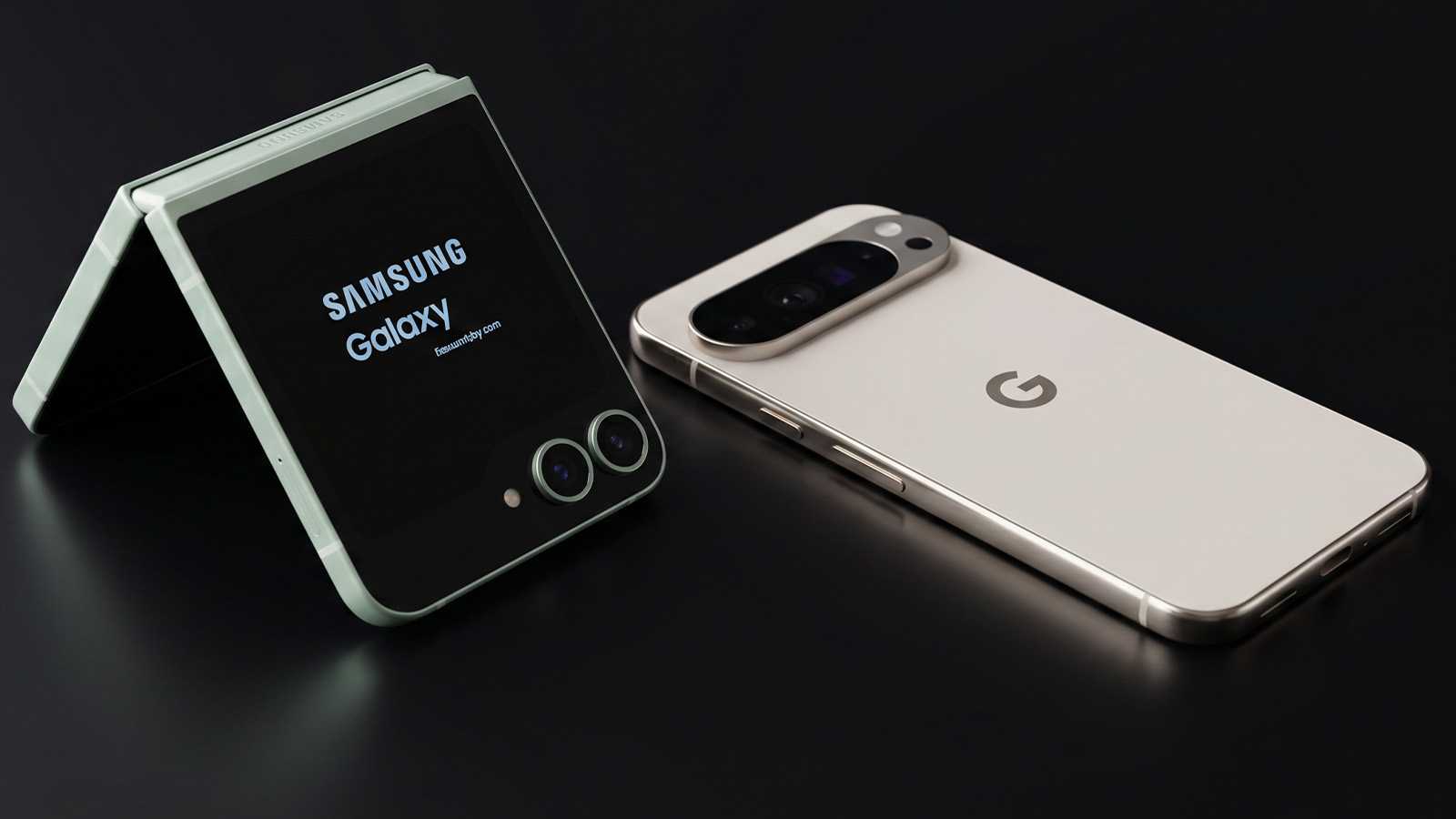
Flip phones vs normal phones — real differences in portability, usability, and everyday experience.
This is not about specs. This is about real life. Which type of phone actually feels better once you use it every day?
Quick answer:
Want to see the difference before choosing? Watch real tests with portability, hinge behavior, display checks, camera behavior, charging, and everyday handling.
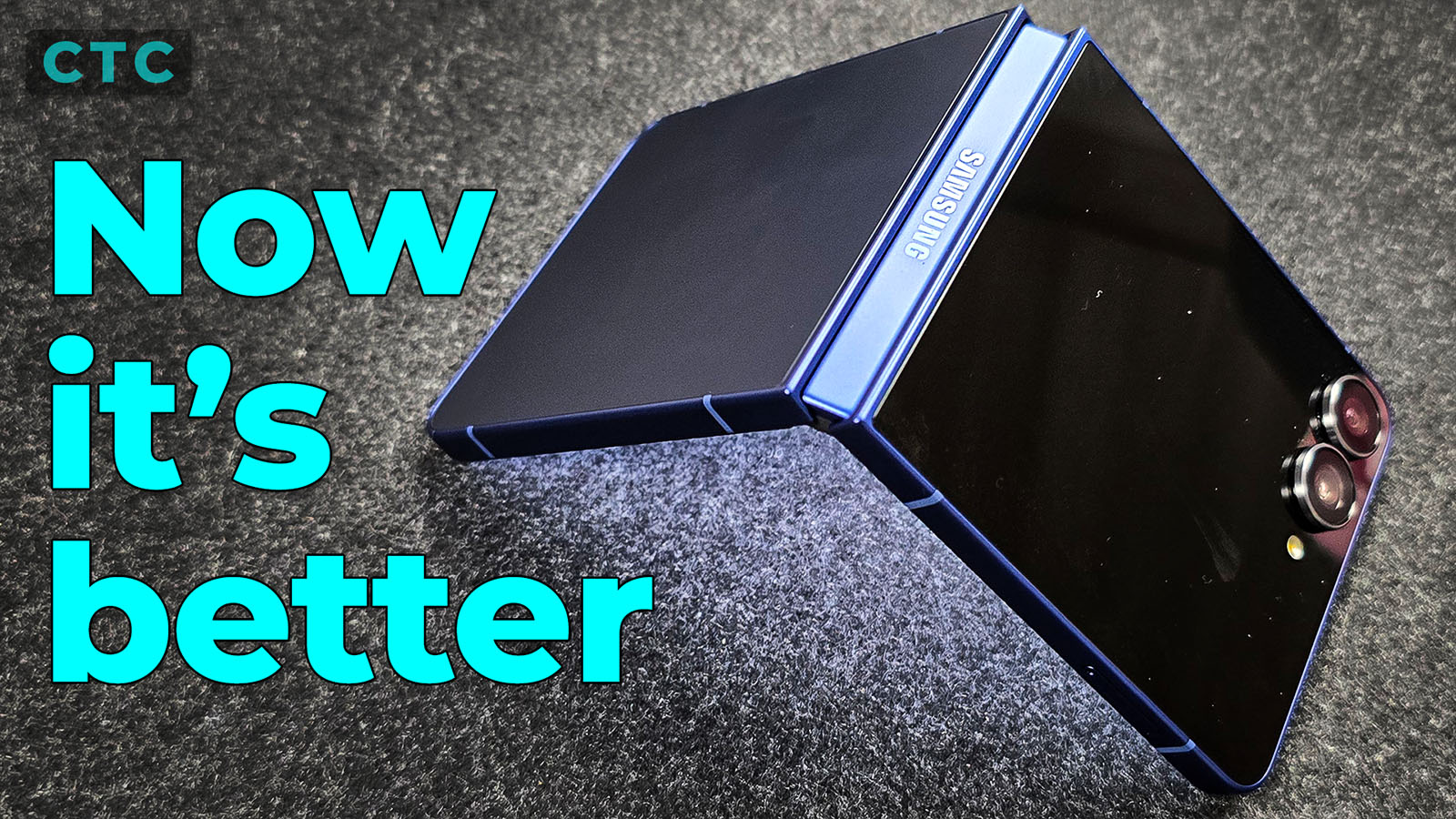
Compact foldable tested with hinge feel, camera checks, display and daily portability.
Watch Video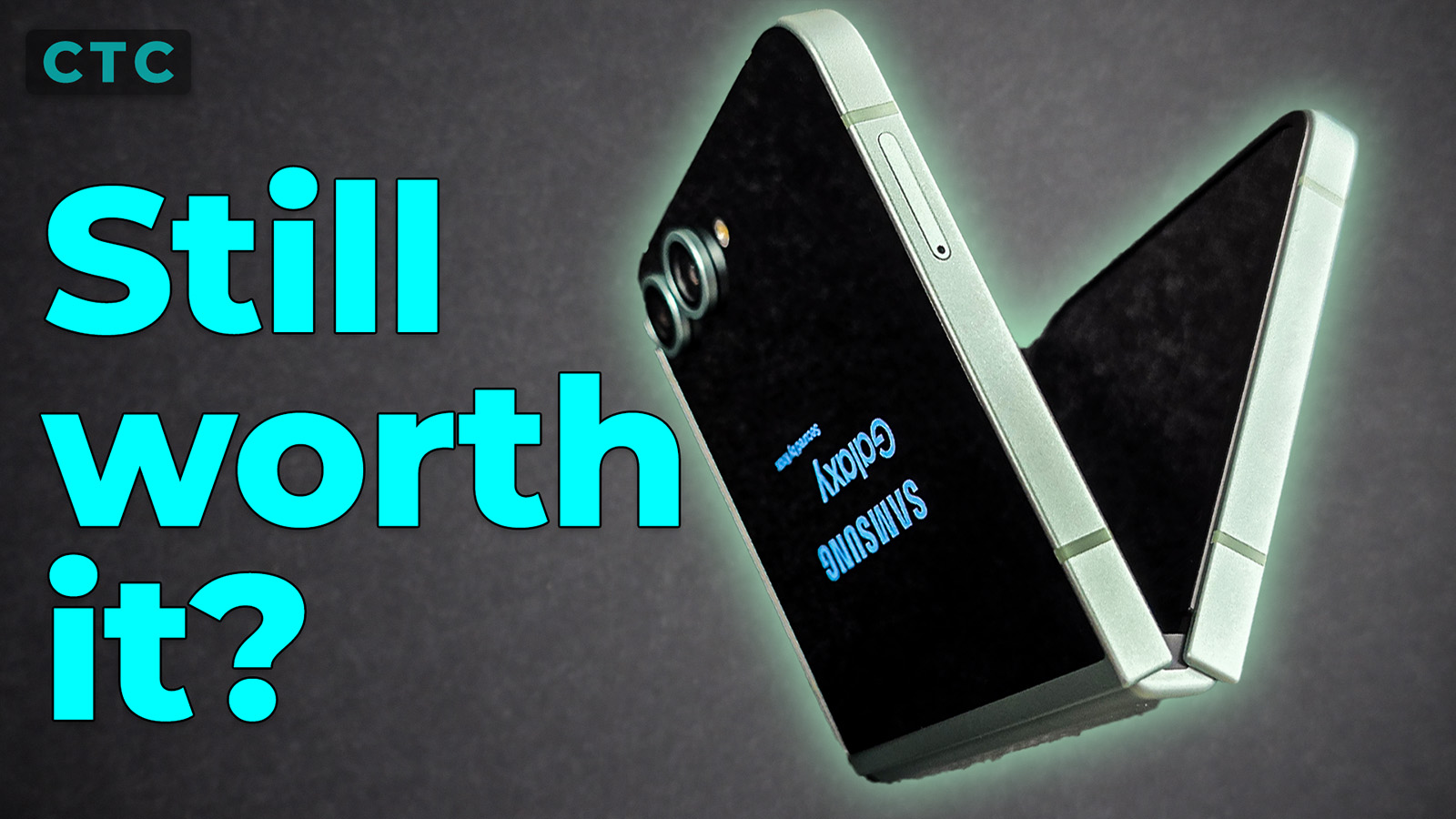
Compact foldable tested in daily use with hinge feel, cover screen experience, and real-world usability.
Watch Video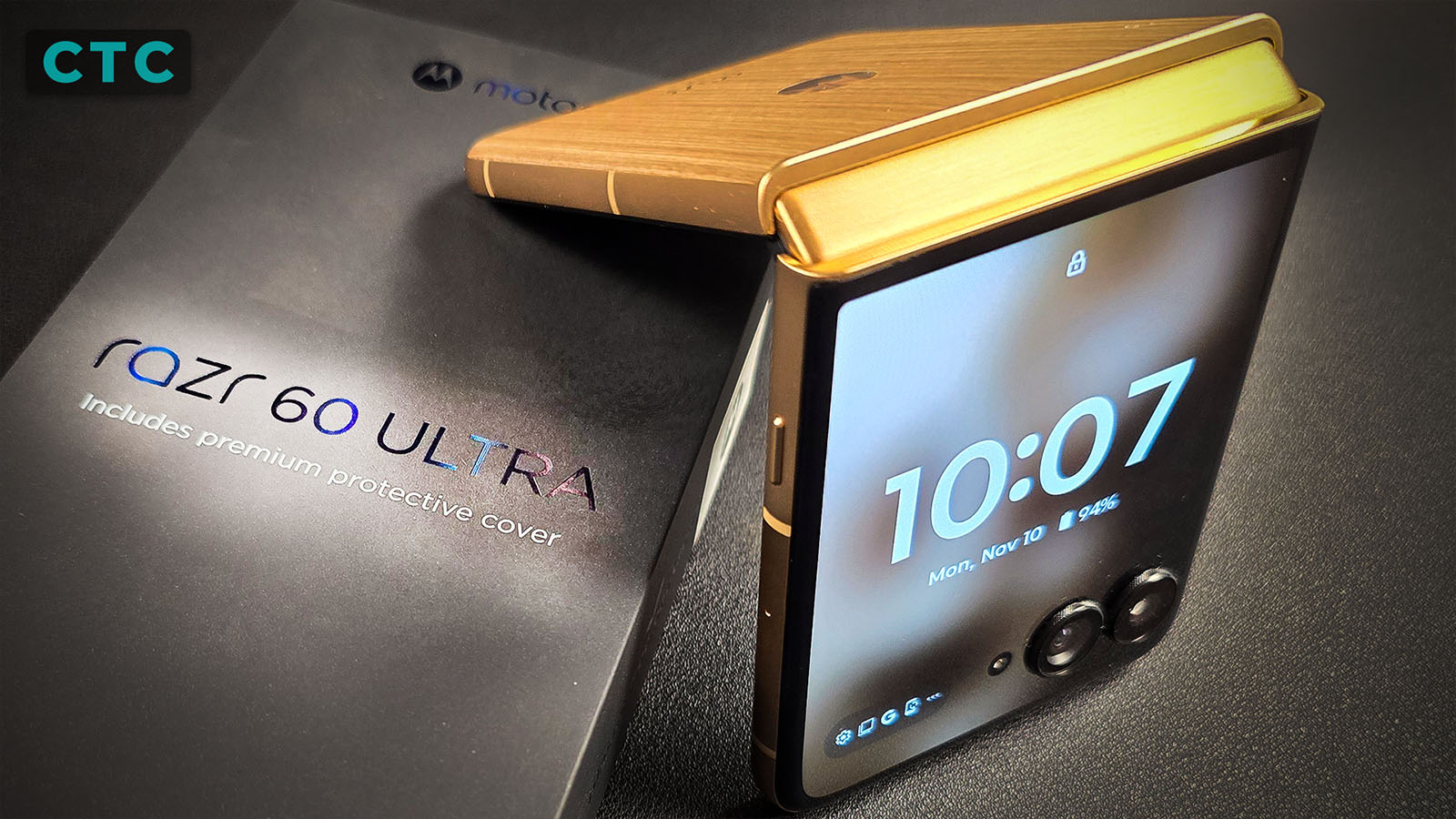
Premium flip phone tested with hinge feel, cover screen, charging, camera checks and real daily use.
Watch Video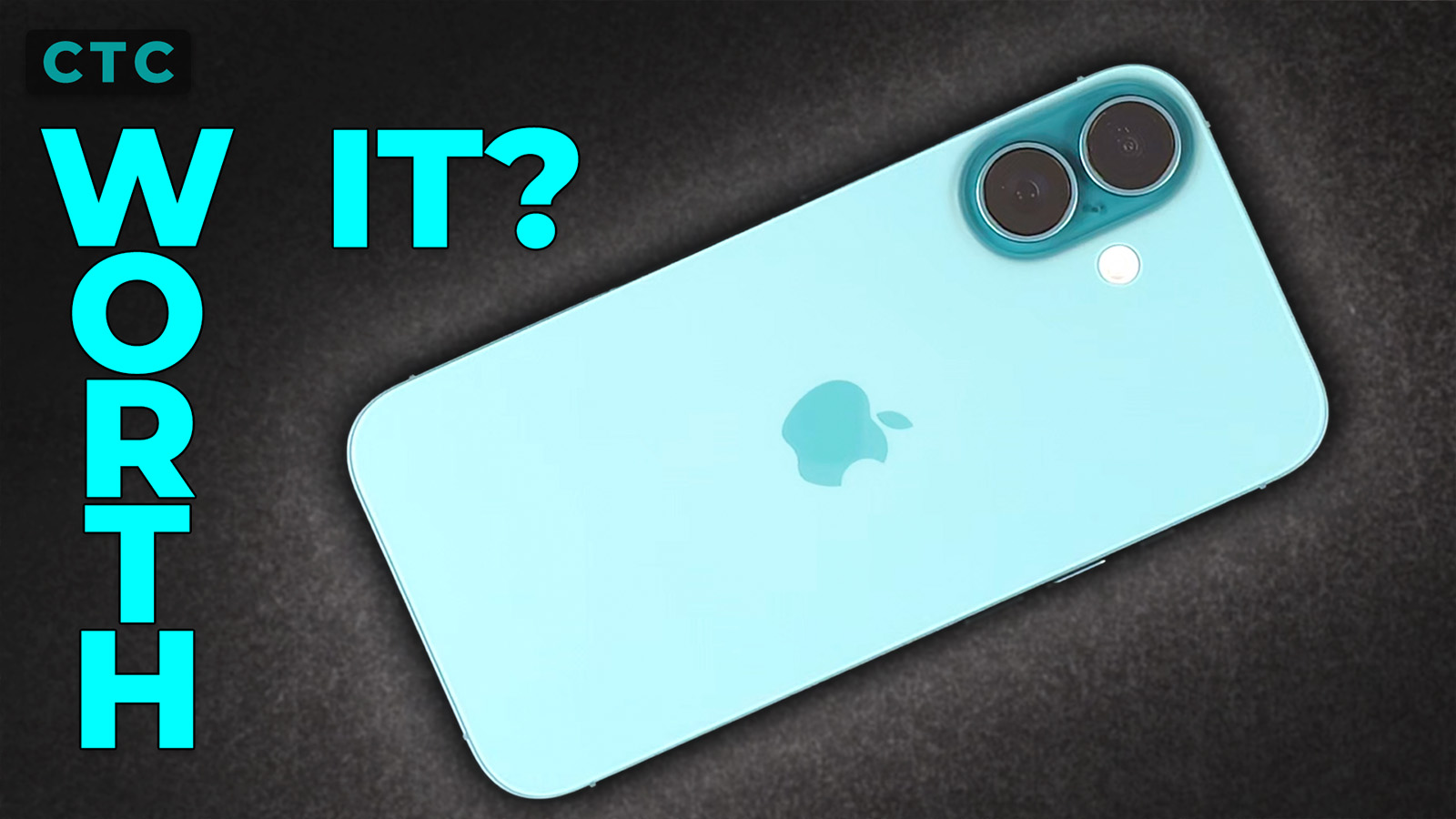
Watch the iPhone 16 tested with design checks, display, charging and real everyday use.
Watch Video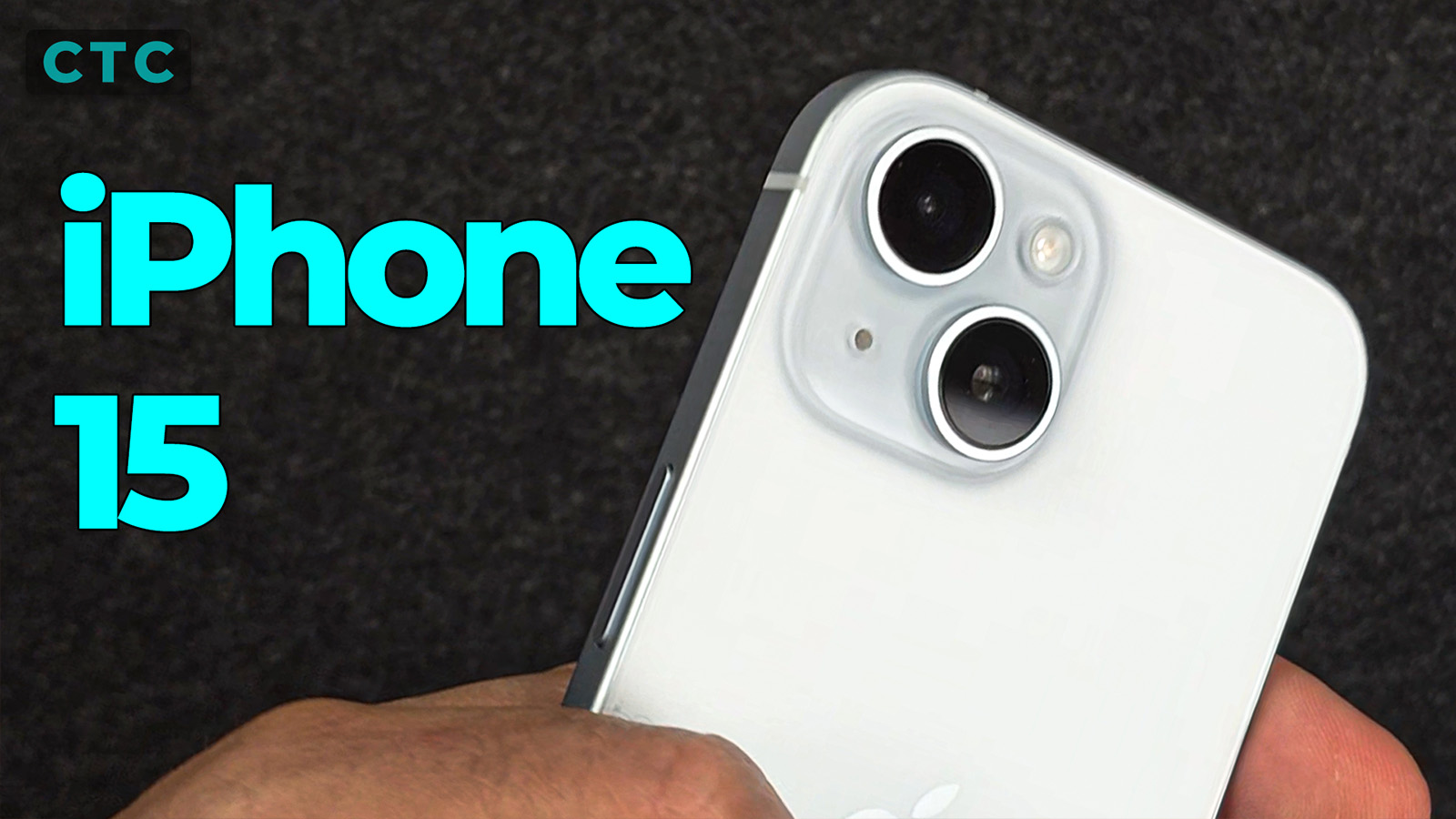
Dedicated watch page with day and night samples, display test, sound test and verdict.
Watch Video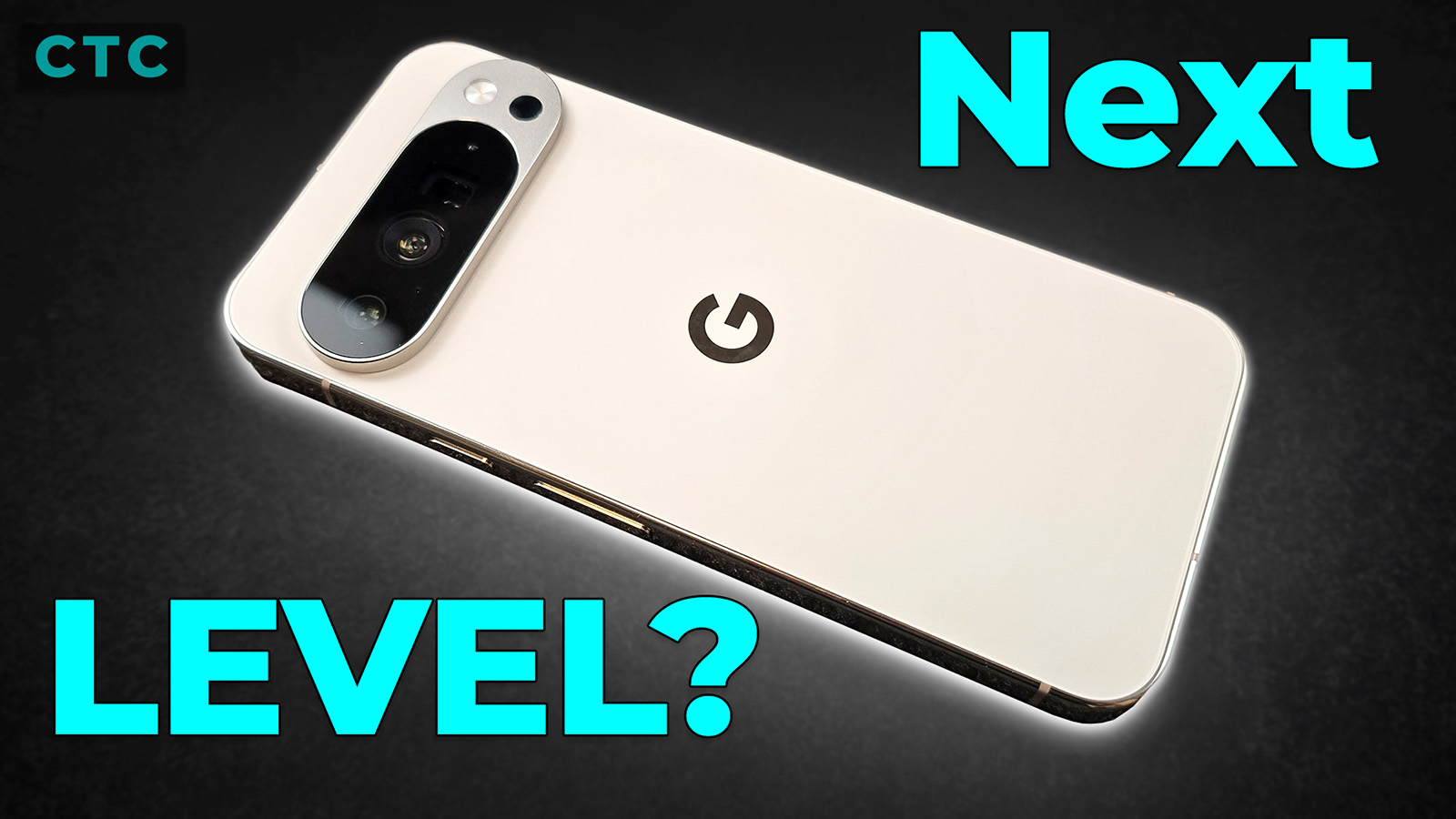
Large Pixel flagship tested with camera samples, battery feel, zoom checks and final verdict.
Watch VideoIf you want direct comparisons, also check Flip 7 vs iPhone 16 and Flip 6 vs iPhone 16.
Flip phones are not better overall. They are better only in specific situations.
For most people, a normal phone is still the safer and more practical choice. But for the right user, a flip phone can feel much better to carry and more enjoyable to use.
Flip phones do not win by being more powerful. They win by changing how the phone fits into your daily life.
This is the biggest advantage. A flip phone folds into a smaller shape, which makes it easier to fit into tight pockets and smaller bags. Phones like the Flip 7 and Flip 6 feel noticeably more comfortable to carry than most slab phones.
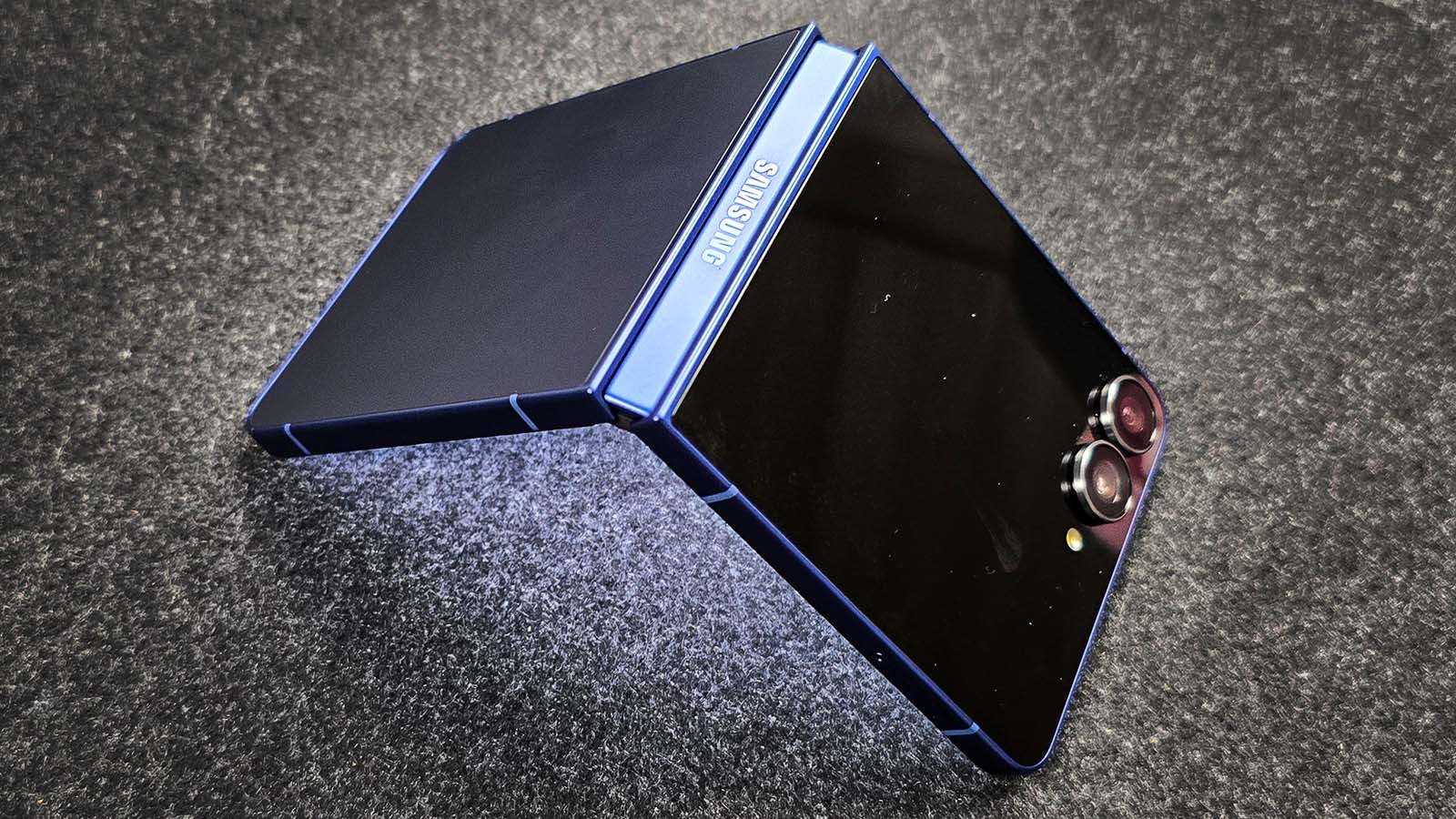
The Flip 7 shows why foldable phones feel easier to carry in daily use.
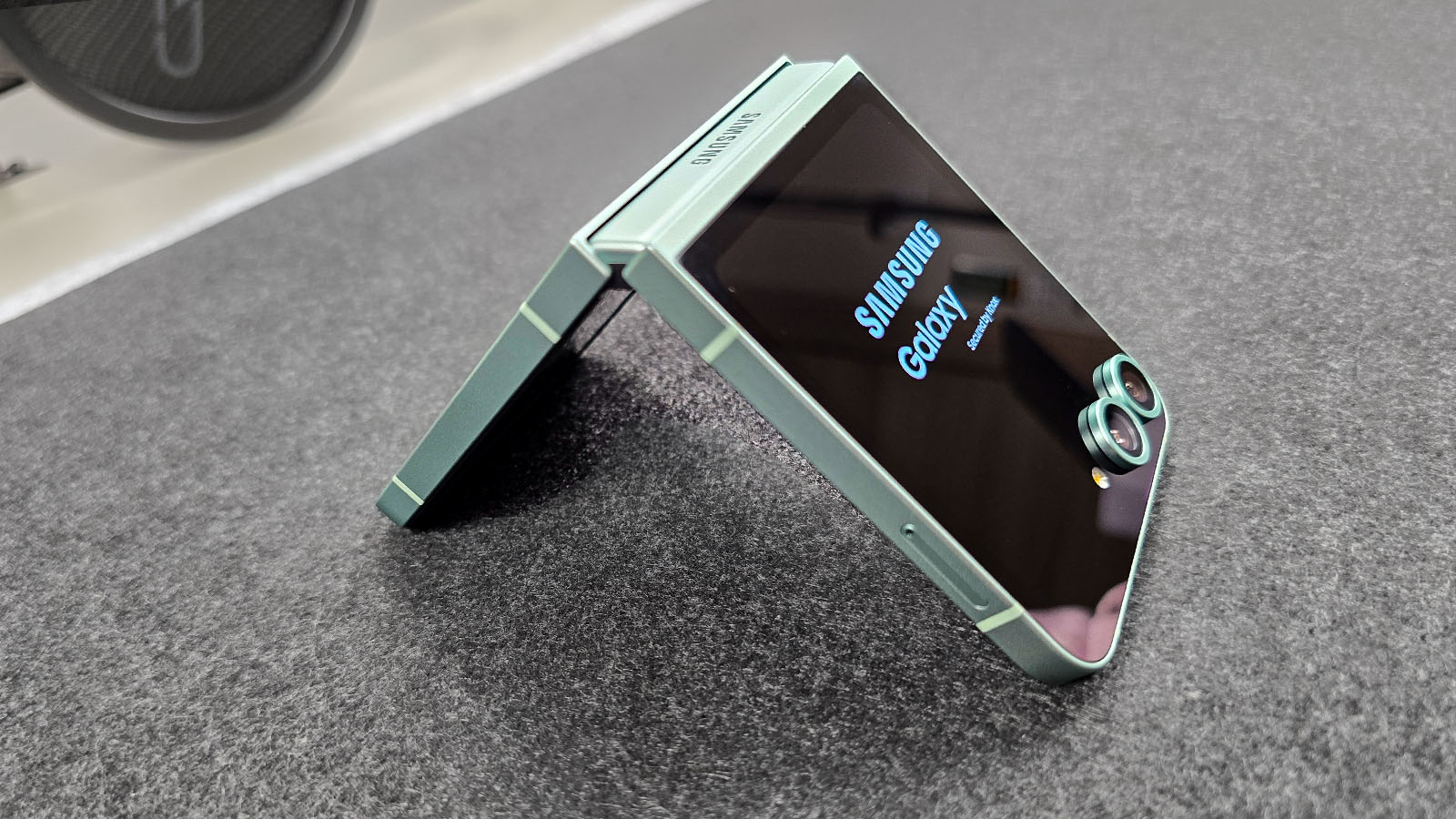
The Flip 6 still delivers the same compact experience, especially if value matters more than having the newest model.
Opening and closing the phone changes the experience. It feels more intentional and less automatic compared to a normal smartphone. For many people, that alone makes the phone more enjoyable to use every day.
Phones keep getting bigger. Flip phones solve that by giving you a full-size screen when open, but a compact size when closed. That balance is something normal phones simply cannot offer.
Flip phones stand out immediately. Devices like the Razr 60 Ultra feel different in hand and in everyday use. If you care about design and uniqueness, flip phones clearly win here.
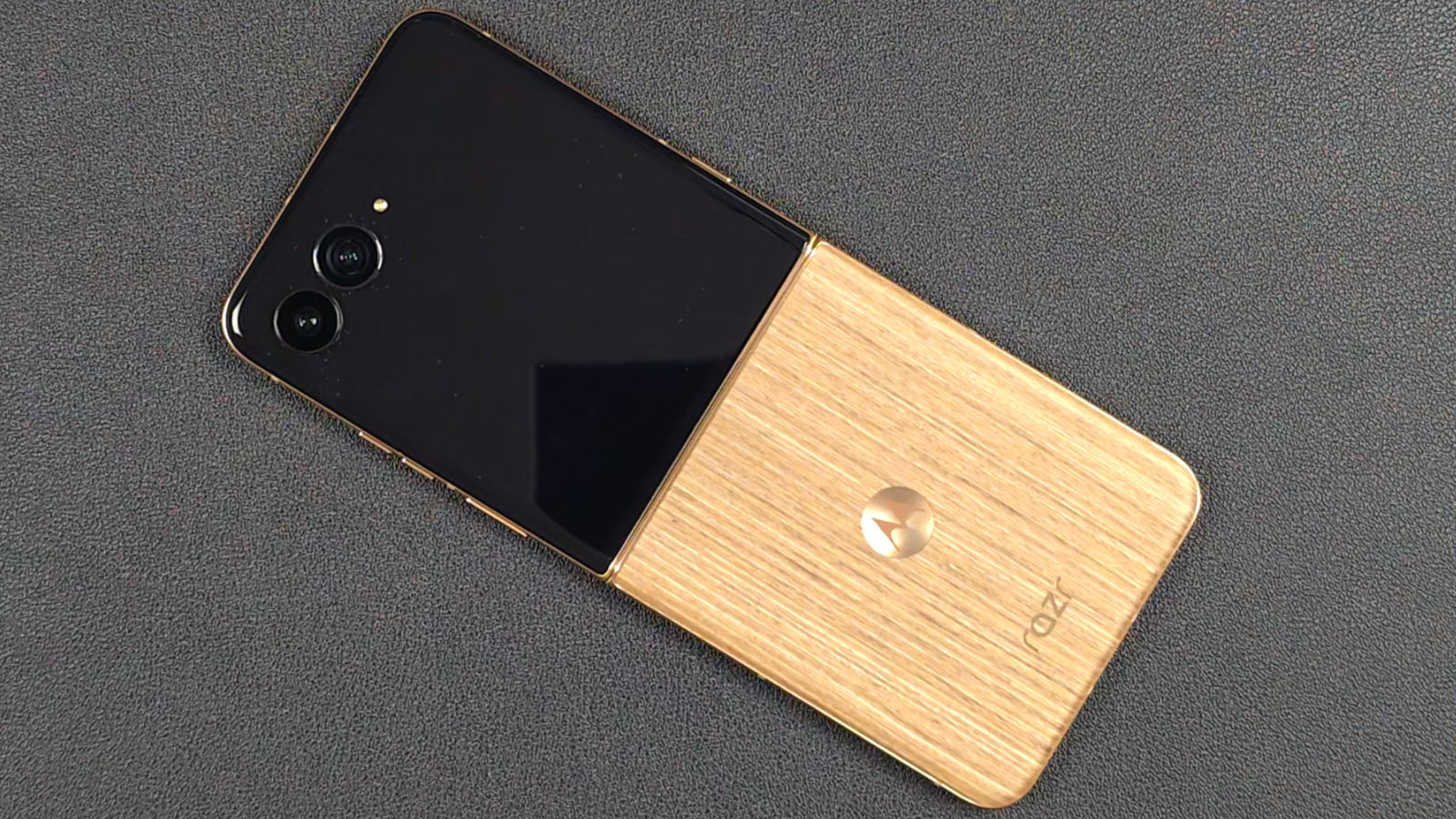
The Razr 60 Ultra highlights how different a flip phone feels compared to a standard smartphone.
This is where traditional phones still dominate. For most users, these advantages matter more than portability.
A normal phone is always ready. You take it out and use it instantly. With a flip phone, you often need to open it, and that small extra step adds friction in daily use.
Phones like the iPhone 16, iPhone 15, and Zenfone 10 are more predictable. They do exactly what you expect, every time, with no extra adjustment.
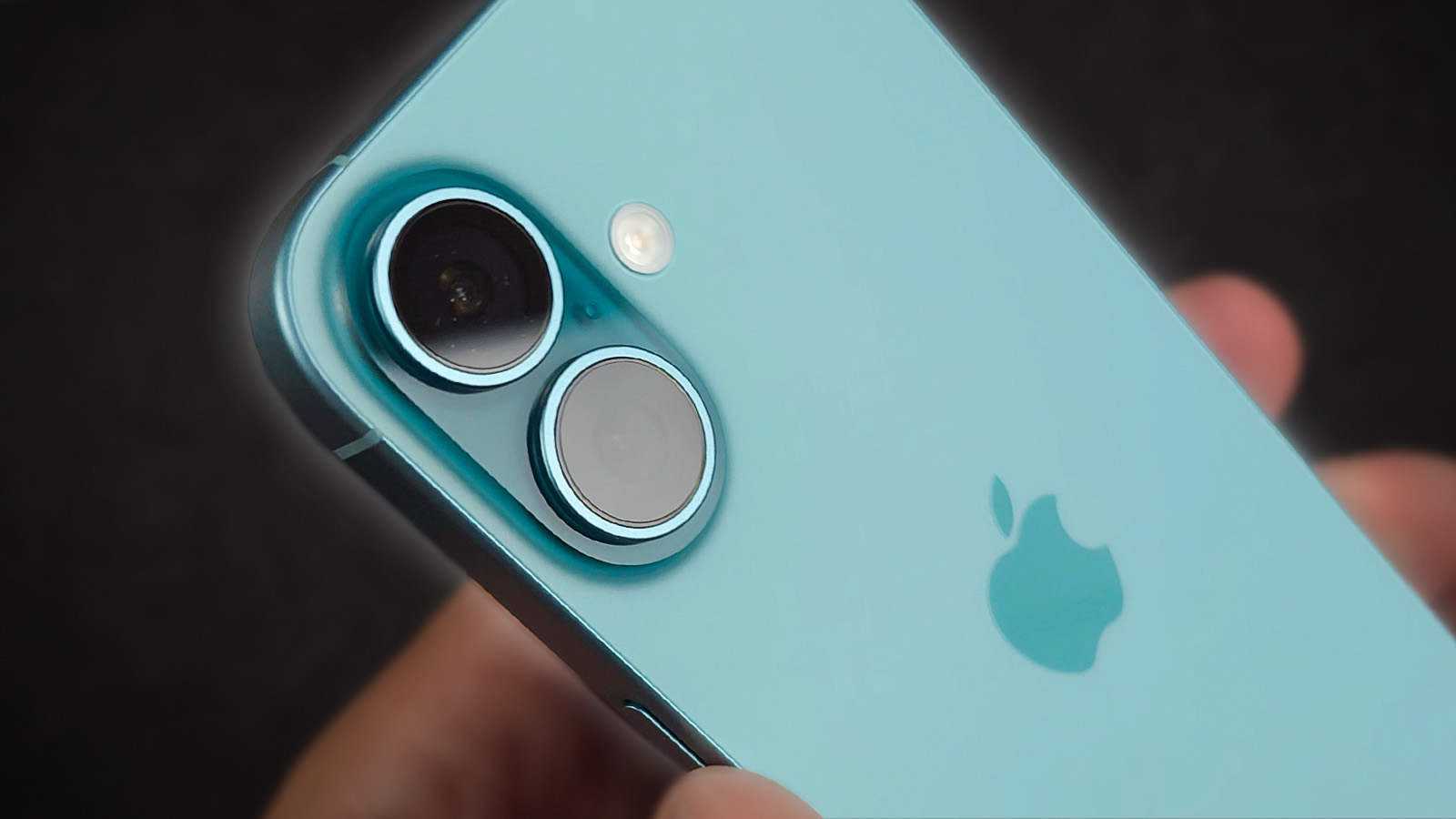
Normal phones like the iPhone 16 remain the easiest choice for everyday consistency.
Traditional phones are still the safer option if you care about battery life and camera performance. That is especially true when you compare flip phones to devices like the Pixel 10 Pro XL or Honor 400.
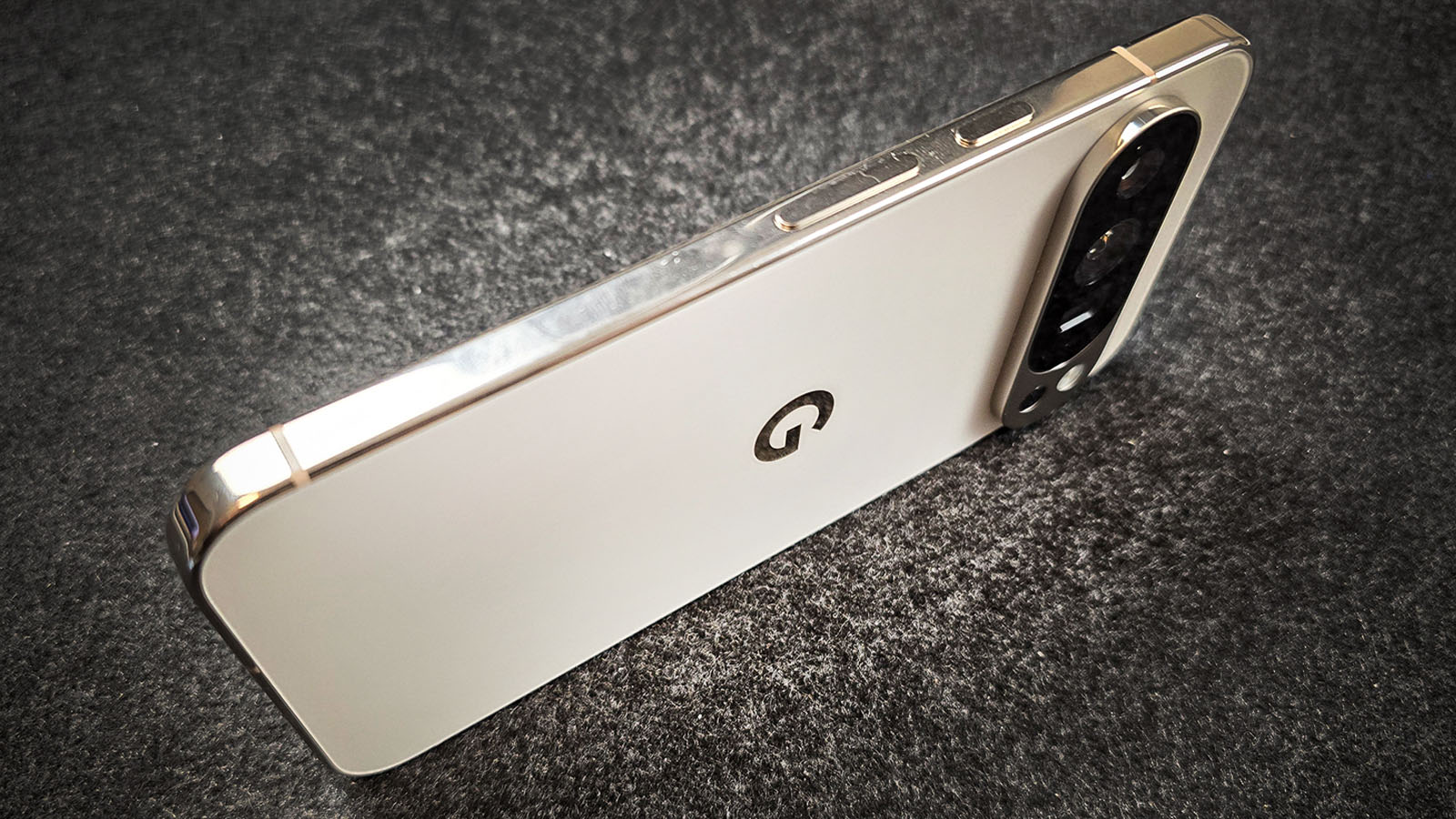
The Pixel 10 Pro XL shows why normal phones are still more reliable for camera and battery performance.
Normal phones work exactly how people expect. Flip phones always require a small adjustment. For some users that is fun. For others, it becomes annoying over time.
For most people, a normal phone is still more practical. That is simply the reality.
Devices like the iPhone 16, Pixel 10 Pro XL, and Zenfone 10 are easier to use quickly and consistently.
Flip phones become practical only when their advantages matter enough to you. If compact size and portability are a priority, then they start to make more sense.
Flip phones: Flip 7, Flip 6, Razr 60 Ultra
Normal phones: iPhone 16, iPhone 15, Pixel 10 Pro XL, Zenfone 10, Honor 400
Also read: Best Flip Phones 2026 and Is a Flip Phone Worth It in 2026?
Flip phones are not better overall. They are better only for a specific type of user.
Flip phones = compact, stylish, different
Normal phones = practical, reliable, easier
If you want something smaller and more interesting, a flip phone can be the better choice. If you want the simplest daily experience, a normal phone still wins.
Not overall. Flip phones are better for portability, while normal phones are more practical and consistent.
They can be, but only if portability matters more than convenience.
Less convenience, weaker battery reliability, and a small learning curve.
A normal phone is better for most people. Flip phones are better for specific needs.
Only if you want a compact and different experience.