Choosing between the Samsung Galaxy Z Flip 7 and the Apple iPhone 16 is not just about comparing two phones. It is about choosing between two very different ideas. One is a compact foldable built around portability and novelty. The other is a traditional flagship-style phone built around consistency, simplicity, and everyday reliability.
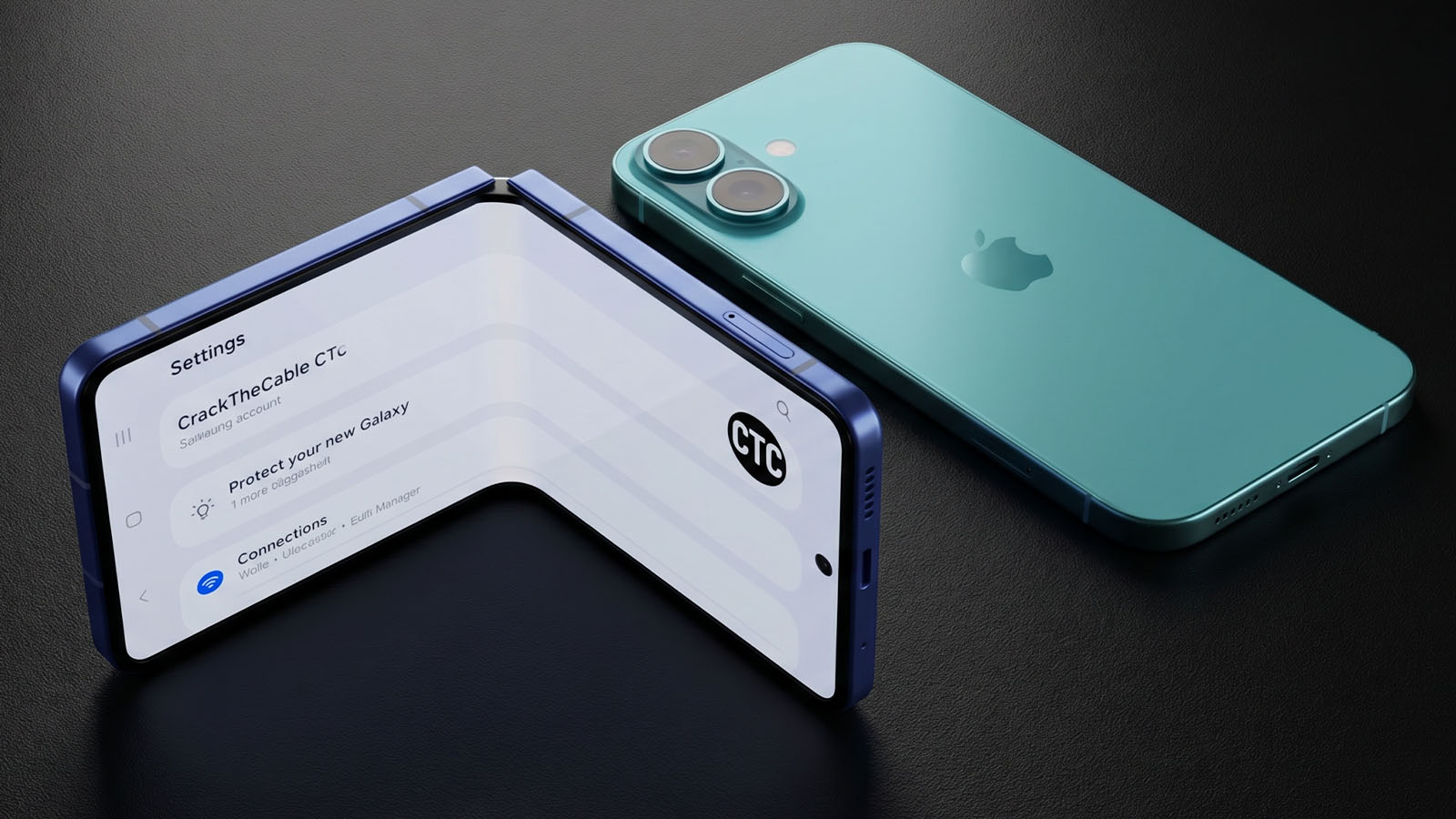
Flip 7 vs iPhone 16 compared through real usage, portability, and everyday practicality.
On paper, both are premium phones. In real life, they feel very different. The Flip 7 gives you a more unique and compact experience, while the iPhone 16 feels easier, more familiar, and more predictable in normal use.
Quick picks:
Want to see how these two phones actually feel before choosing? Watch real tests with portability, display checks, camera behavior, charging, and everyday handling.
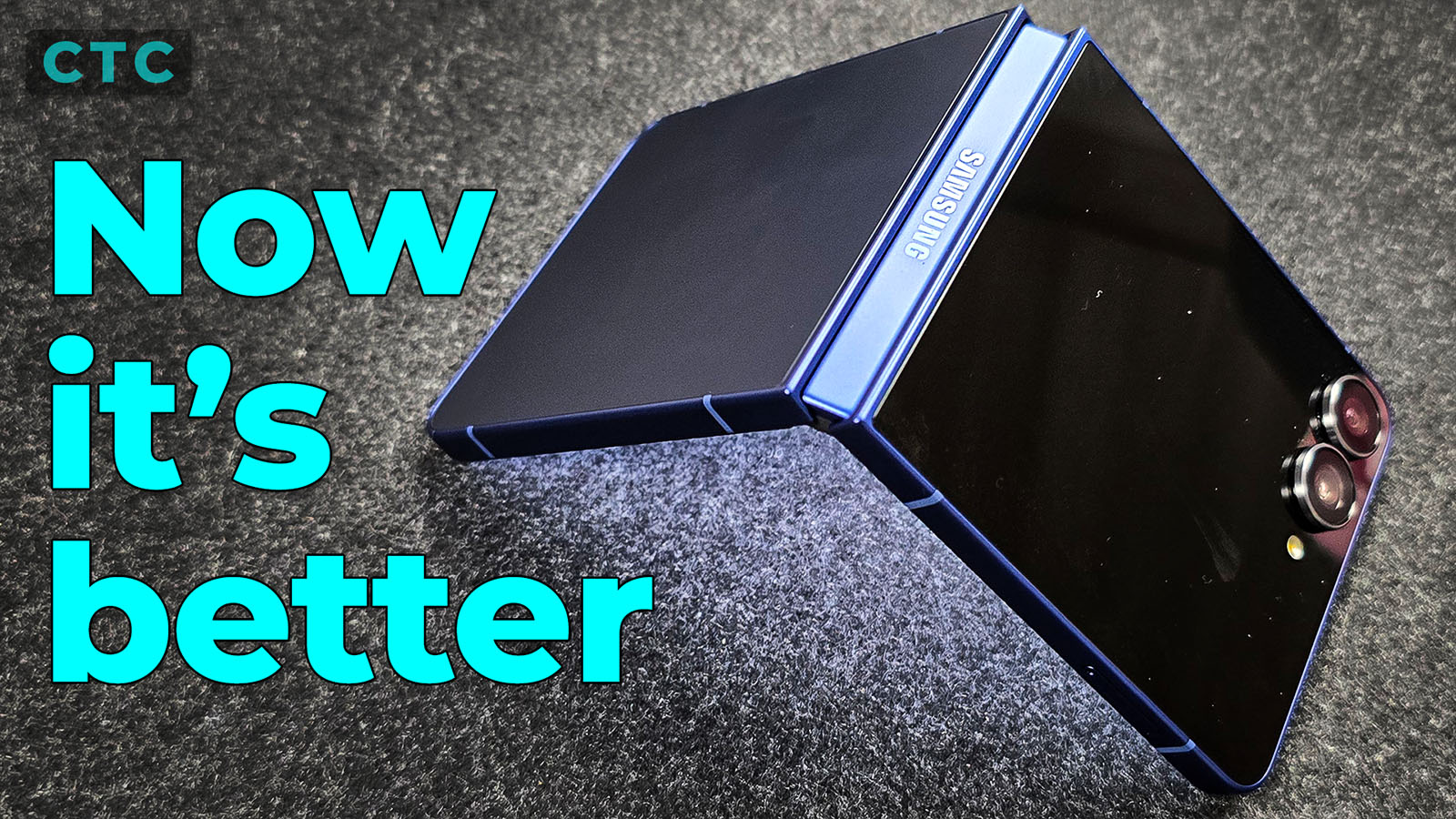
Compact foldable tested with hinge feel, camera checks, display and daily portability.
Watch Video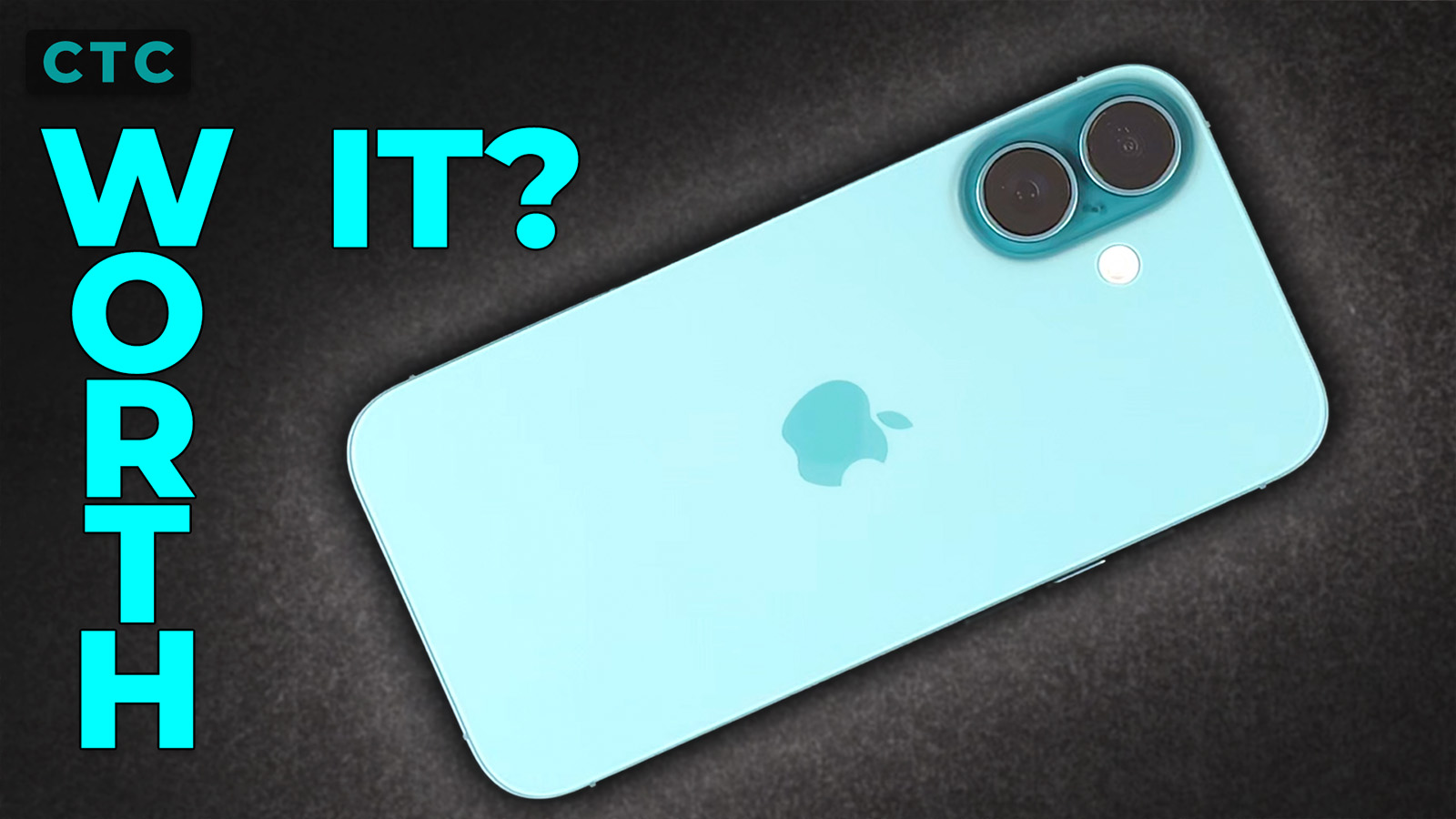
Watch the iPhone 16 tested with design checks, display, charging and real everyday use.
Watch Video
Flip 7 = more compact, more unique, more fun
iPhone 16 = more practical, more consistent, easier daily use
This is the biggest difference between the two. The Flip 7 folds into a smaller shape, which makes it easier to carry in a pocket or small bag. It feels more flexible physically and more interesting as an object.
The iPhone 16 is a normal slab phone. That makes it simpler. There is no hinge, no fold, and no change in how the device behaves physically. For many people, that still feels like the easier option.
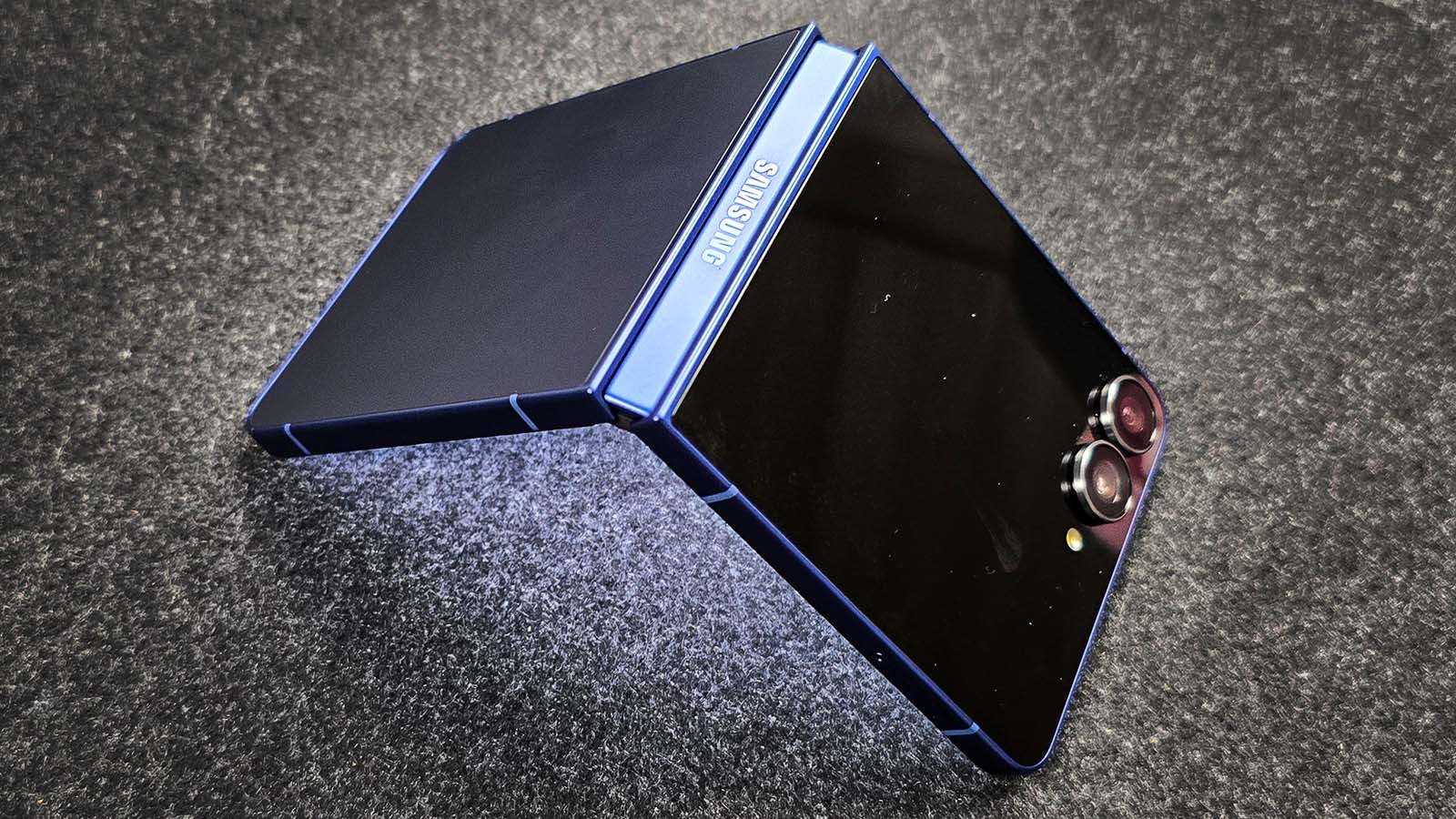
Flip 7 stands out with a more compact folded shape and a more distinctive design.
If portability is one of your top priorities, the Flip 7 has the clear advantage. If you just want something simple and familiar, the iPhone 16 makes more sense.
This is where the choice becomes personal. The Flip 7 changes how you interact with your phone. You can check the cover screen, open and close the phone, and generally get a more interactive experience.
The iPhone 16 is more straightforward. You unlock it and use it exactly the way most people already expect. That makes it feel more predictable in daily life.
The Flip 7 is more interesting. The iPhone 16 is easier. That is really the core difference.
The Flip 7 gives you two screen experiences: the outer screen for quick interactions and the main screen for normal use. That adds flexibility, but also adds complexity.
The iPhone 16 has one main display and one very clear usage pattern. That makes it feel simpler and more direct.
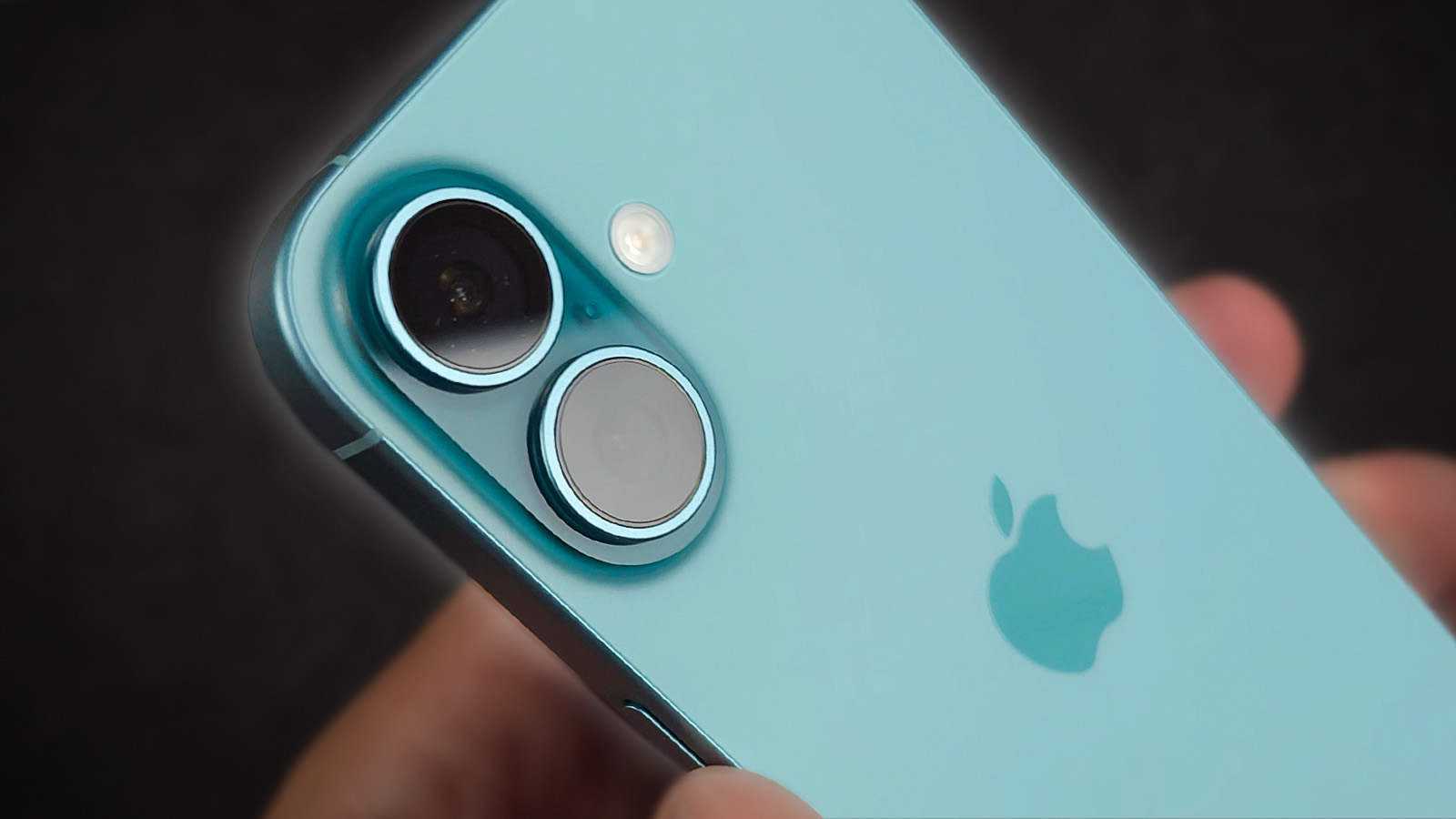
iPhone 16 feels simpler and more predictable in everyday use.
If you want a phone that feels different and more dynamic, the Flip 7 wins. If you want a phone that feels easier to live with every day, the iPhone 16 has the edge.
Both phones are fast enough for normal daily use. Apps, messaging, photos, browsing, and video all feel smooth on both.
The real difference is not speed. It is consistency. The iPhone 16 feels more stable, more predictable, and more in line with what most users expect from a long-term daily phone.
The Flip 7 is still very capable, but the foldable experience matters more here than raw performance. You are buying it because it is different, not because it is the most traditional option.
The iPhone 16 is the safer camera choice for most people. It fits the classic smartphone idea of reliable photos, stable daily performance, and fewer surprises.
The Flip 7 is more about the overall experience than pure practicality. That does not make it bad, but it does make it a different kind of buy.
If you care most about predictable day-to-day results, the iPhone 16 is the easier recommendation. If you care more about form factor and uniqueness, the Flip 7 becomes more appealing.
Read the full Samsung Galaxy Z Flip 7 review or watch the Samsung Galaxy Z Flip 7 video review.
Read the full Apple iPhone 16 review or watch the Apple iPhone 16 video review.
If you also want to compare the Flip 7 with another flip phone, check Flip 7 vs Razr 60 Ultra.
If you want a broader overview of the category, also read Best Flip Phones 2026.
This comparison is not really about one phone destroying the other. It is about choosing the kind of experience you want.
Flip 7 = more unique, more compact, more interesting
iPhone 16 = more consistent, simpler, easier to recommend
If you want something different, the Flip 7 is the better fit. If you want something more practical and familiar, the iPhone 16 makes more sense.
Not necessarily. They are built for different users. The Flip 7 focuses on portability and the foldable experience, while the iPhone 16 focuses on consistency and everyday simplicity.
The iPhone 16 is more practical for most users because it feels simpler, more predictable, and easier to live with every day.
Yes. The Flip 7 folds into a smaller shape, which makes it easier to carry in tighter pockets or smaller bags.
That depends on what matters more to you. A flip phone feels more unique and compact, while a normal phone usually feels simpler and more consistent.
The Flip 7 makes more sense for users who want something different, care about portability, and actually enjoy the foldable concept.
Explore more comparisons and buying guides:
Flip 6 vs Flip 7
Flip 7 vs Razr 60 Ultra
Best Flip Phones 2026
Best Foldable Phones 2026