Choosing the best phone for battery life is not just about looking at the biggest battery number. Real battery life depends on screen brightness, camera use, video recording, gaming, mobile data, navigation, software optimization and charging behavior. This guide focuses on phones that make sense for real daily use, not just specs on paper.
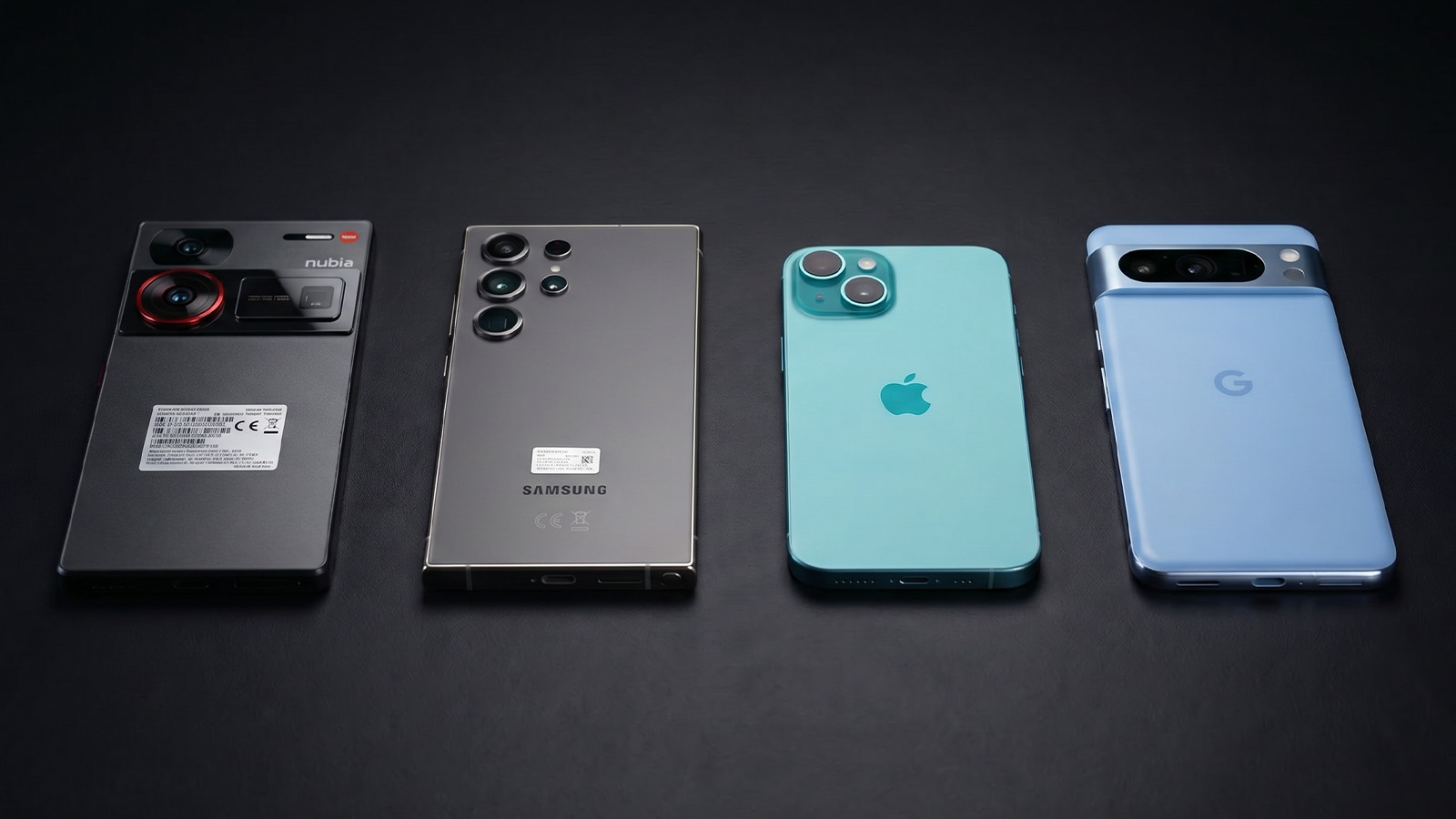
Best battery phones compared through real usage, heavy screen time, camera use, gaming, video playback, charging behavior and daily reliability.
If you want the strongest battery experience, large phones usually have the advantage. They have more space for bigger batteries, better heat handling and larger screens that make them more useful for heavy use.
But not everyone needs the biggest phone. Some users prefer a compact flagship, while others need a device that can survive gaming, camera use, YouTube, maps and long days away from a charger.
Quick picks:
Want to see how these phones actually feel before choosing? Watch the dedicated video reviews with display checks, camera samples, 4K60 playback, charging behavior, battery impressions and real daily handling.
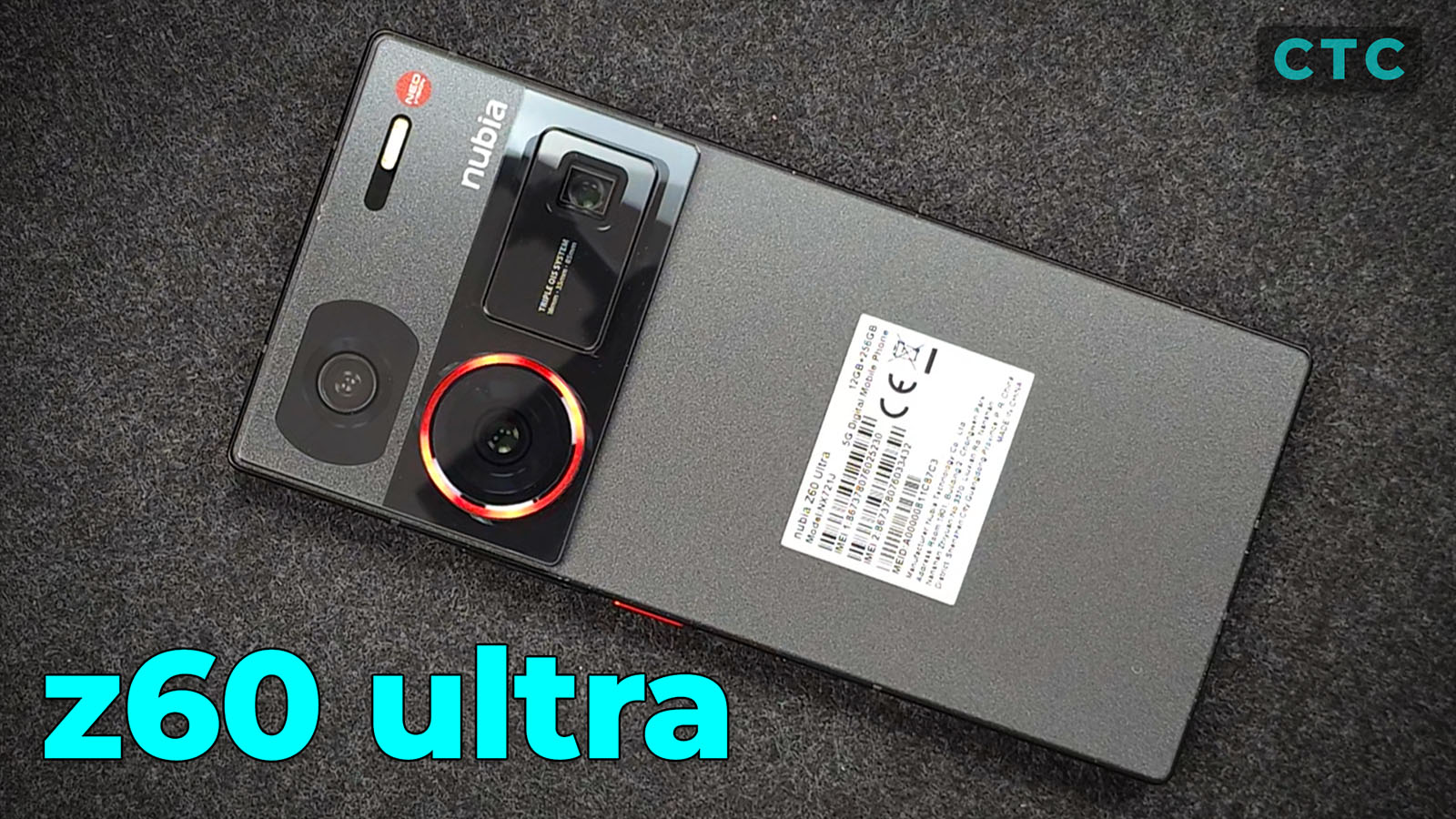
Large Android flagship tested with display checks, 4K60 playback, camera samples and real use.
Watch Video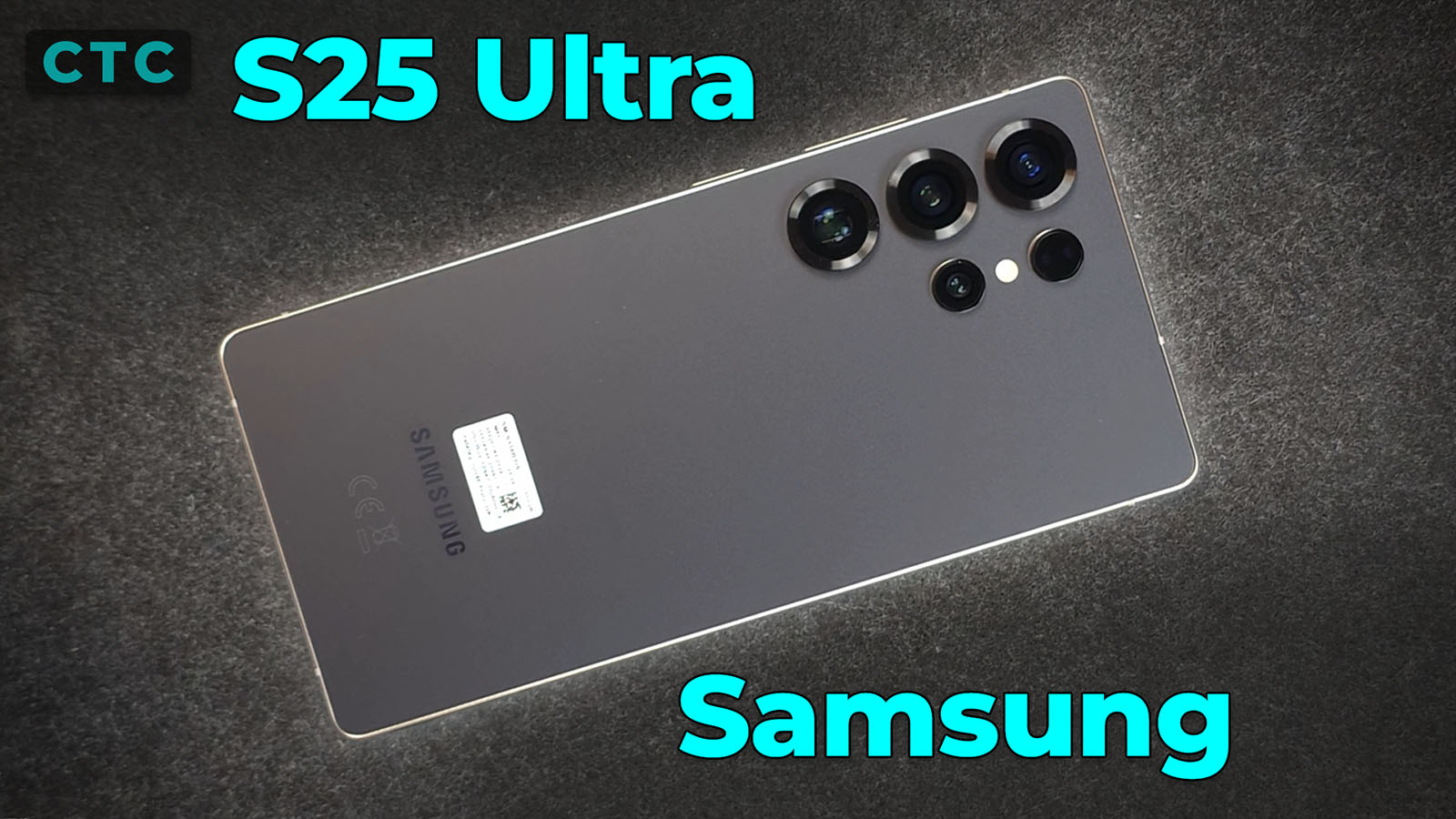
Premium Samsung flagship tested with S Pen, display, camera, charging and daily use.
Watch Video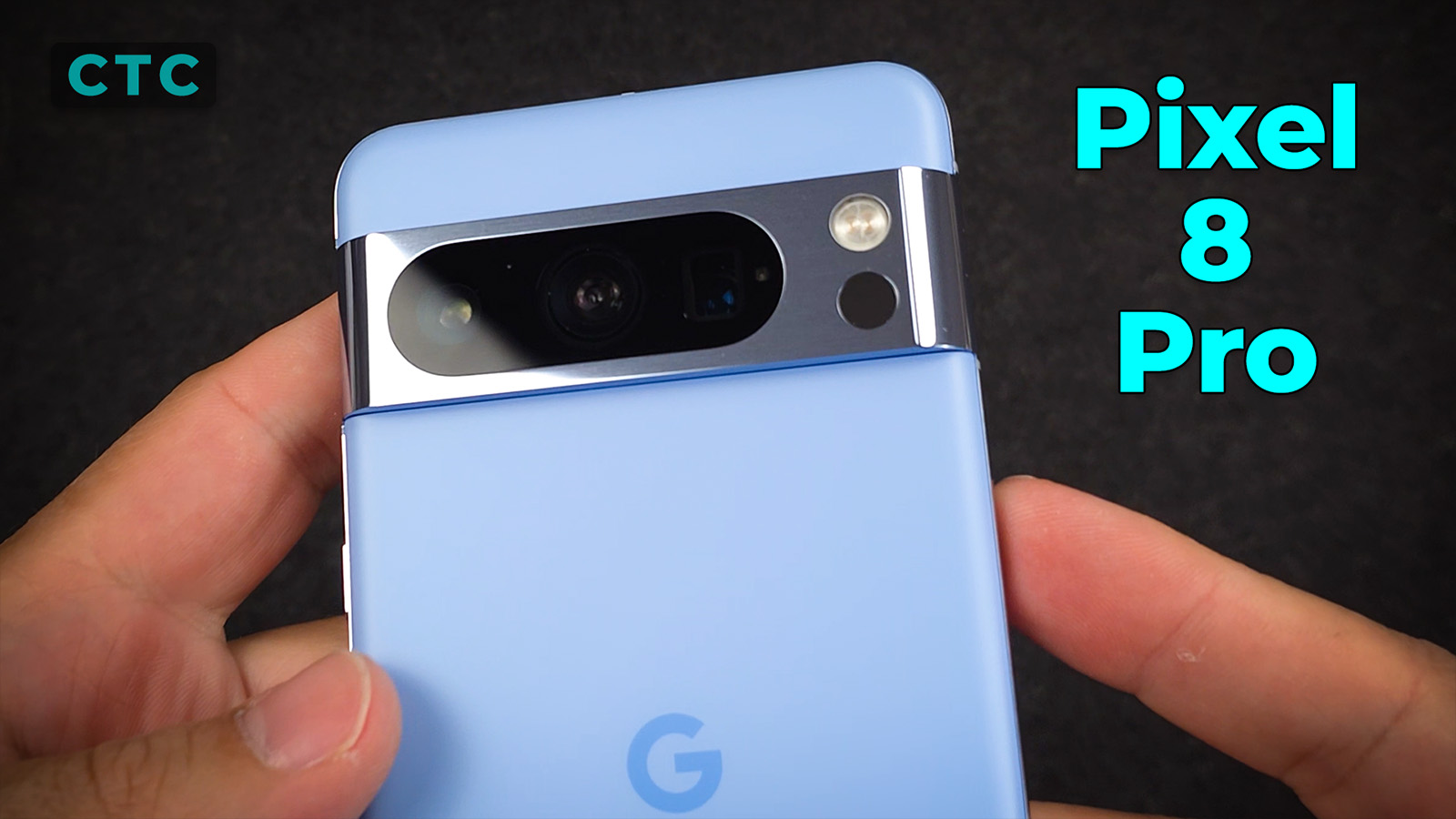
Pixel flagship tested with display brightness, 4K60 playback, camera samples and night video.
Watch VideoThe best battery phone depends on what you need. If you want a large Android phone built for heavy use, the Nubia Z60 Ultra is one of the most interesting choices. If you want the safest premium flagship, the Galaxy S25 Ultra is the better all-around option.
For most users, battery life is not just about how long the phone lasts. It is also about how the phone behaves when you use the camera, play games, watch videos, use maps or keep brightness high.
The Nubia Z60 Ultra is one of the best phones to consider if battery life matters because it is built like a large, powerful Android flagship. It makes sense for users who want long screen sessions, gaming, media playback and a bold hardware-focused phone.
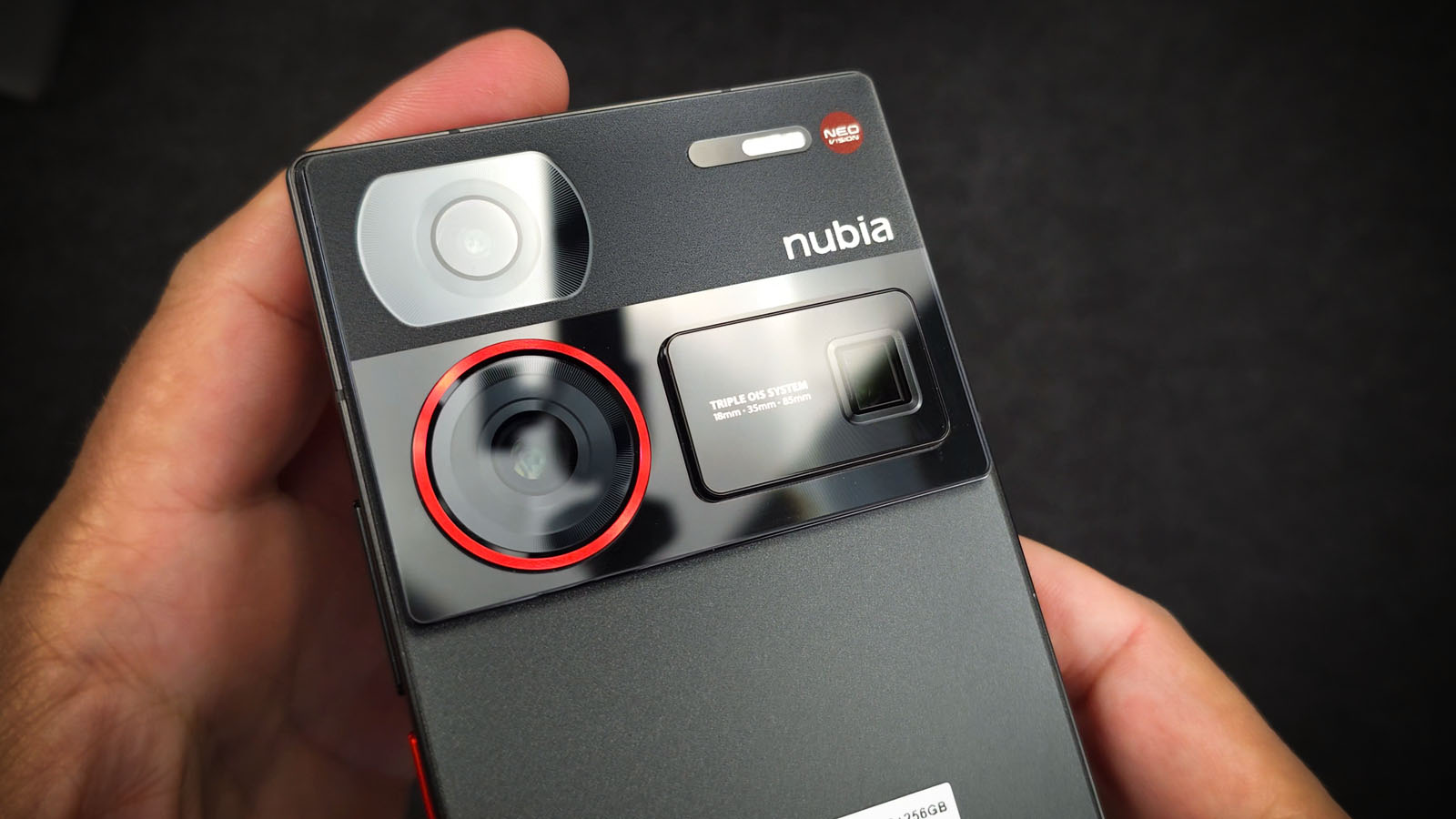
Nubia Z60 Ultra is a strong choice for users who want big battery appeal, gaming, display immersion and Android performance.
It is especially appealing if you use your phone heavily. Gaming, 4K60 playback, YouTube, mobile data and camera testing all benefit from a larger battery-focused device.
The trade-off is size. This is not a compact phone. It is best for users who prefer power and endurance over pocket comfort.
Best for:
Read the Nubia Z60 Ultra review, watch the Nubia Z60 Ultra video review, or check the Nubia Z60 Ultra specs and price page.
The Samsung Galaxy S25 Ultra is the best choice if you want a premium flagship that balances battery life with cameras, display, software, S Pen features and long-term usability.
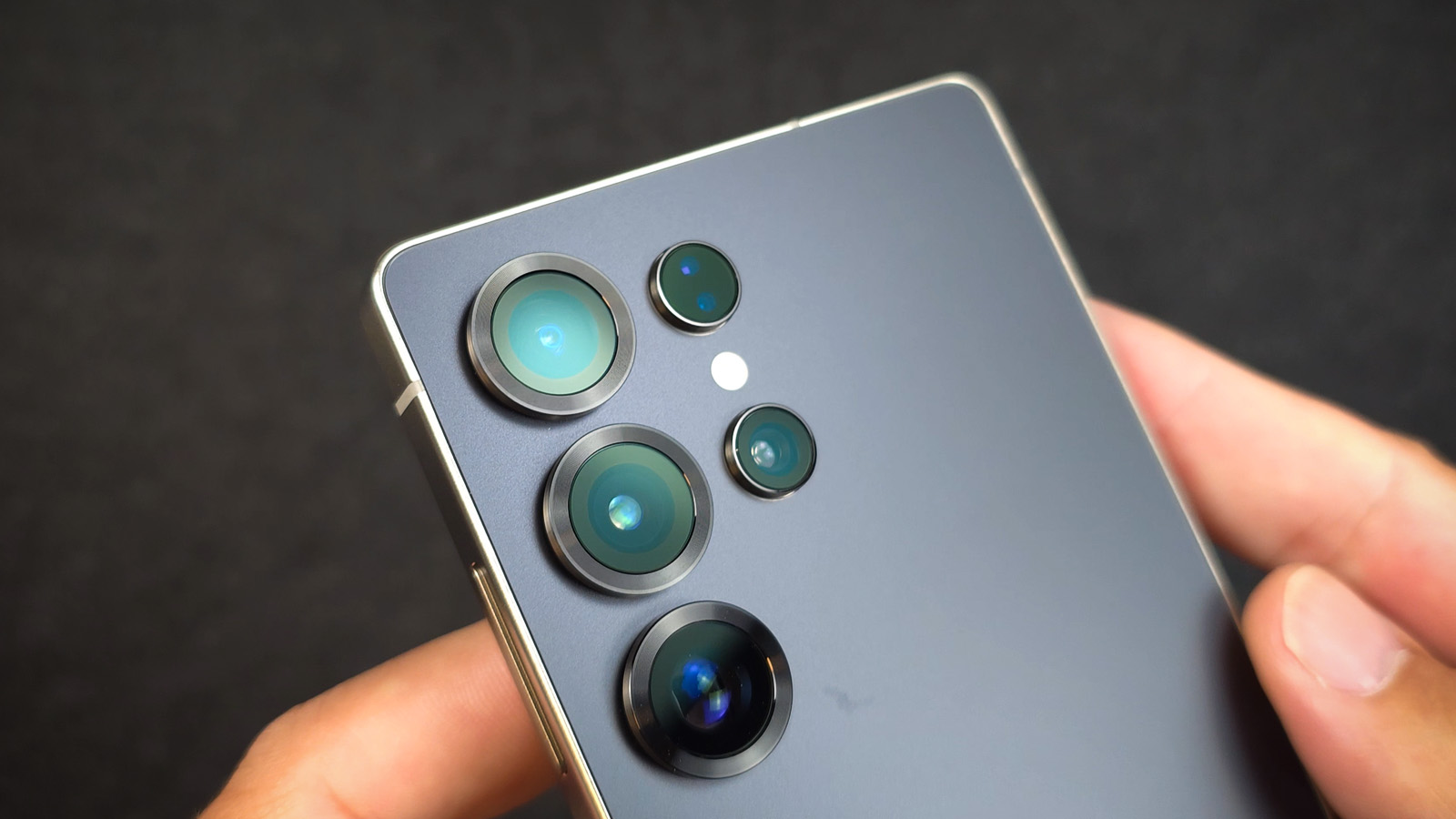
Galaxy S25 Ultra is the safer premium flagship if you want strong battery behavior with Samsung software, cameras and S Pen features.
It is not only a battery phone. It is a complete flagship. That makes it a better choice than Nubia for users who want a safer and more refined everyday experience.
The main advantage is balance. You get a large display, strong cameras, Samsung software, S Pen and a premium feel without relying only on raw battery hardware.
Best for:
Read the Samsung Galaxy S25 Ultra review, watch the S25 Ultra video review, or check the S25 Ultra specs and price page.
The iPhone 16 is not the biggest battery phone on this list, but it makes sense for users who want a simple and predictable daily experience. Battery life is not only about size. Software efficiency and consistency also matter.
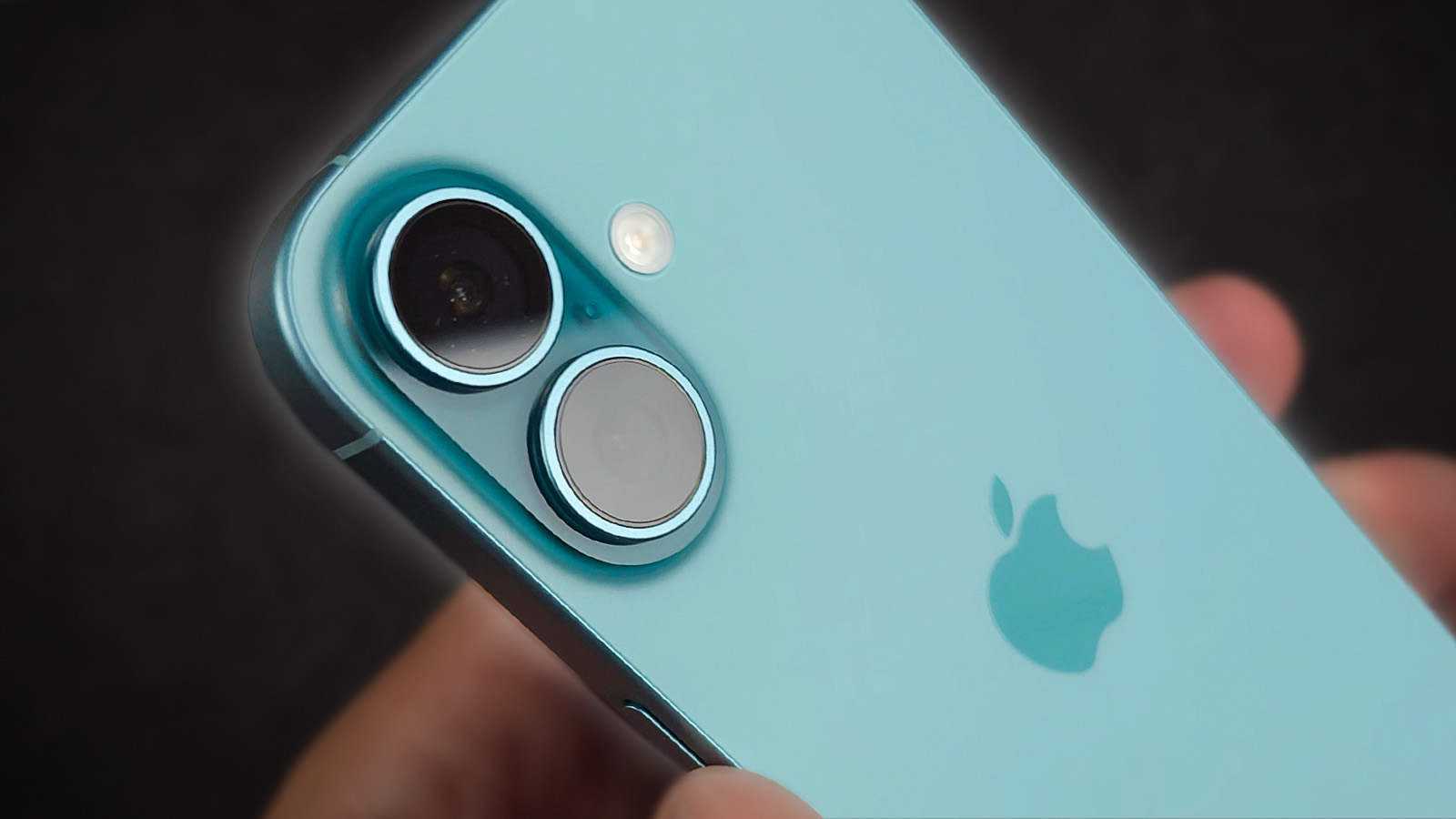
iPhone 16 is a good choice if you want predictable iOS battery behavior, simple daily use and strong video consistency.
The iPhone 16 is better for users who do not want a huge phone. It is easier to carry, easier to use and more predictable if you are already inside the Apple ecosystem.
For heavy gaming or long media sessions, a larger Android phone may make more sense. For normal daily use, the iPhone 16 remains a very practical option.
Best for:
Read the iPhone 16 review, watch the iPhone 16 video review, or check the iPhone 16 specs and price page.
The Pixel 8 Pro is not mainly a battery-first phone, but it still belongs in this guide because many users care about camera quality and clean Android as much as endurance.
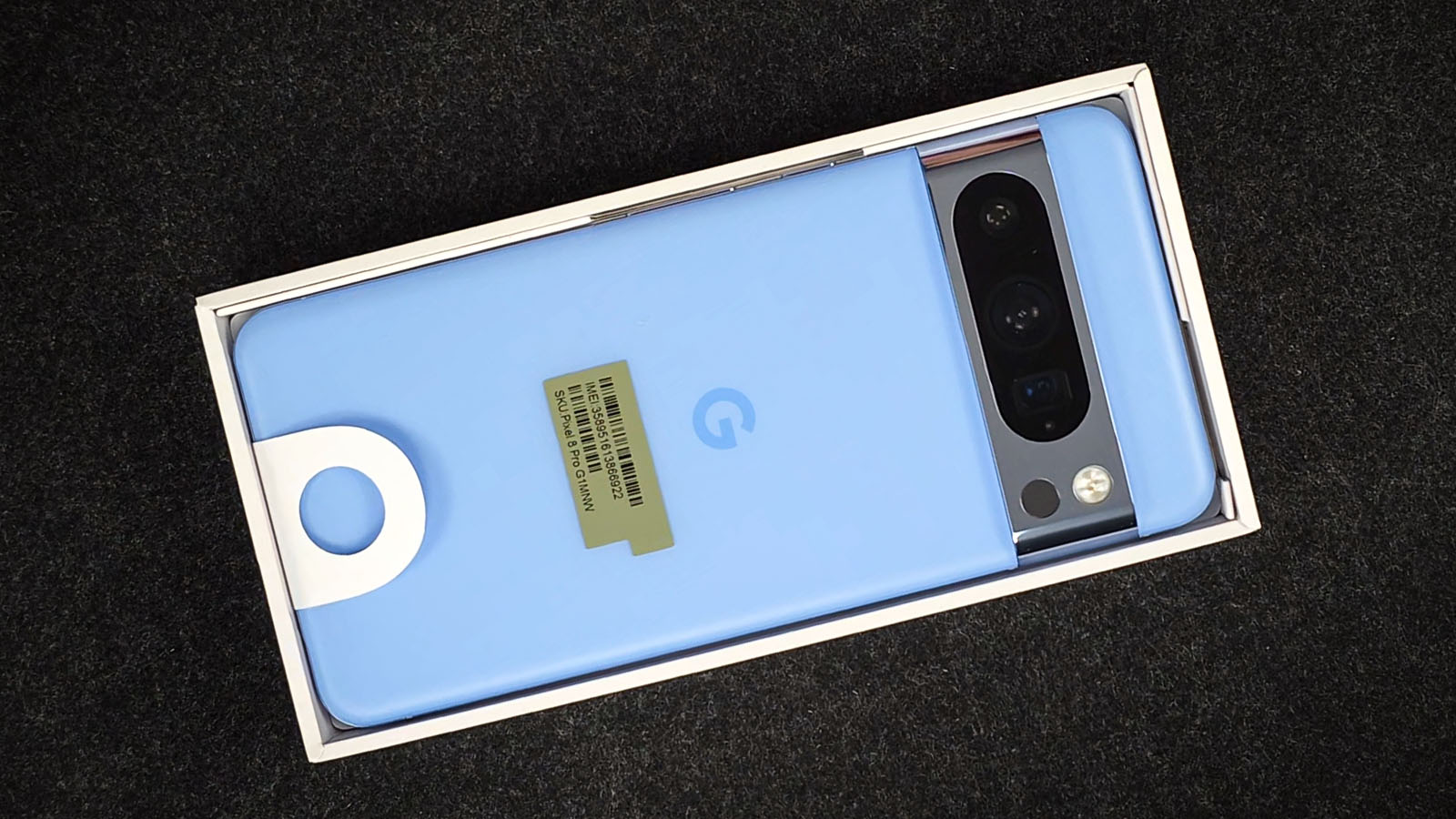
Pixel 8 Pro is better for users who want Google camera processing and clean Android, not necessarily the strongest battery phone.
If you want the absolute best battery-focused hardware, Nubia or Samsung may be more convincing. But if you want strong photos, Google software and a large flagship experience, the Pixel 8 Pro can still be a good daily phone.
Battery life depends heavily on camera use, mobile data, brightness and how much you push the phone. That is why it is better as a camera-focused recommendation than a pure battery champion.
Best for:
Read the Pixel 8 Pro review, watch the Pixel 8 Pro video review, or check the Pixel 8 Pro specs and price page.
The Galaxy S24 is not the best phone for maximum battery life, but it is one of the better compact premium phones if you do not want a huge device.
This matters because battery life is always a compromise. Large phones usually last longer, but they are heavier and harder to carry. The Galaxy S24 is better for users who want comfort first and battery second.
If you want a compact Samsung flagship, the Galaxy S24 makes sense. If you want the strongest endurance, choose a larger phone.
Best for:
Read the Galaxy S24 review, watch the Galaxy S24 video review, or check the Galaxy S24 specs and price page.
Battery life is not fixed. The same phone can feel excellent for one user and average for another. It depends on what you do with it.
That is why real use matters more than battery size alone. A phone with a big battery can still drain quickly if you push it hard. A smaller phone can still feel good if the software is efficient and your usage is lighter.
For gaming, the Nubia Z60 Ultra is the most interesting choice in this list. It has the large-screen feel, performance identity and battery-focused appeal that make sense for long sessions.
The Galaxy S25 Ultra is also powerful, but it is more of a complete premium flagship than a gaming-focused phone.
Camera use drains battery quickly, especially when recording video or shooting many samples. For camera-heavy users, the S25 Ultra is the safest all-around pick because it combines battery, camera versatility and premium software.
The Pixel 8 Pro is better if you care most about Google photo processing. The Nubia Z60 Ultra is more interesting if you like camera hardware and a less common flagship experience.
Compact phones usually cannot match large phones for battery endurance. That is the trade-off. The Galaxy S24 and iPhone 16 are easier to carry, but they are not built to beat large ultra phones in raw endurance.
Choose a compact phone if comfort matters more. Choose a large phone if battery life is the priority.
The best phone for battery life depends on your usage. If you want the strongest heavy-use Android option, the Nubia Z60 Ultra is one of the most interesting picks. If you want the safest premium flagship, the Galaxy S25 Ultra is the better all-around choice.
Nubia Z60 Ultra = best for heavy Android use, gaming and big battery appeal
Galaxy S25 Ultra = best premium all-around battery flagship
iPhone 16 = best simple iOS daily option
Pixel 8 Pro = best Google camera phone with decent endurance
Choose the phone that matches your real usage, not just the largest battery number.
The best phone for battery life depends on how you use it. Large phones like the Nubia Z60 Ultra and Samsung Galaxy S25 Ultra make the most sense for heavy users, gaming, video playback and long screen time.
Yes, the Nubia Z60 Ultra is a strong battery-focused option because it is a large Android flagship built for heavy use, gaming, media and long screen sessions.
Usually, larger phones have more room for bigger batteries and better endurance. But real battery life also depends on display brightness, camera use, mobile data, gaming and software optimization.
Large phones are usually better for battery life. Compact phones are easier to carry, but they often have less room for battery capacity.
Fast charging does not replace good battery life, but it makes a phone easier to live with because you can recover battery faster during the day.